
Garden Design
Read the Site Before You Draw
A field guide to read the site before you draw: observing sun, water, wind and views over several days, followed by checks for the details that determine success.
Read the guide19 articles
Shape coherent, comfortable spaces that respond to the site.
A field guide to read the site before you draw: observing sun, water, wind and views over several days, followed by checks for the details that determine success.
Read the guide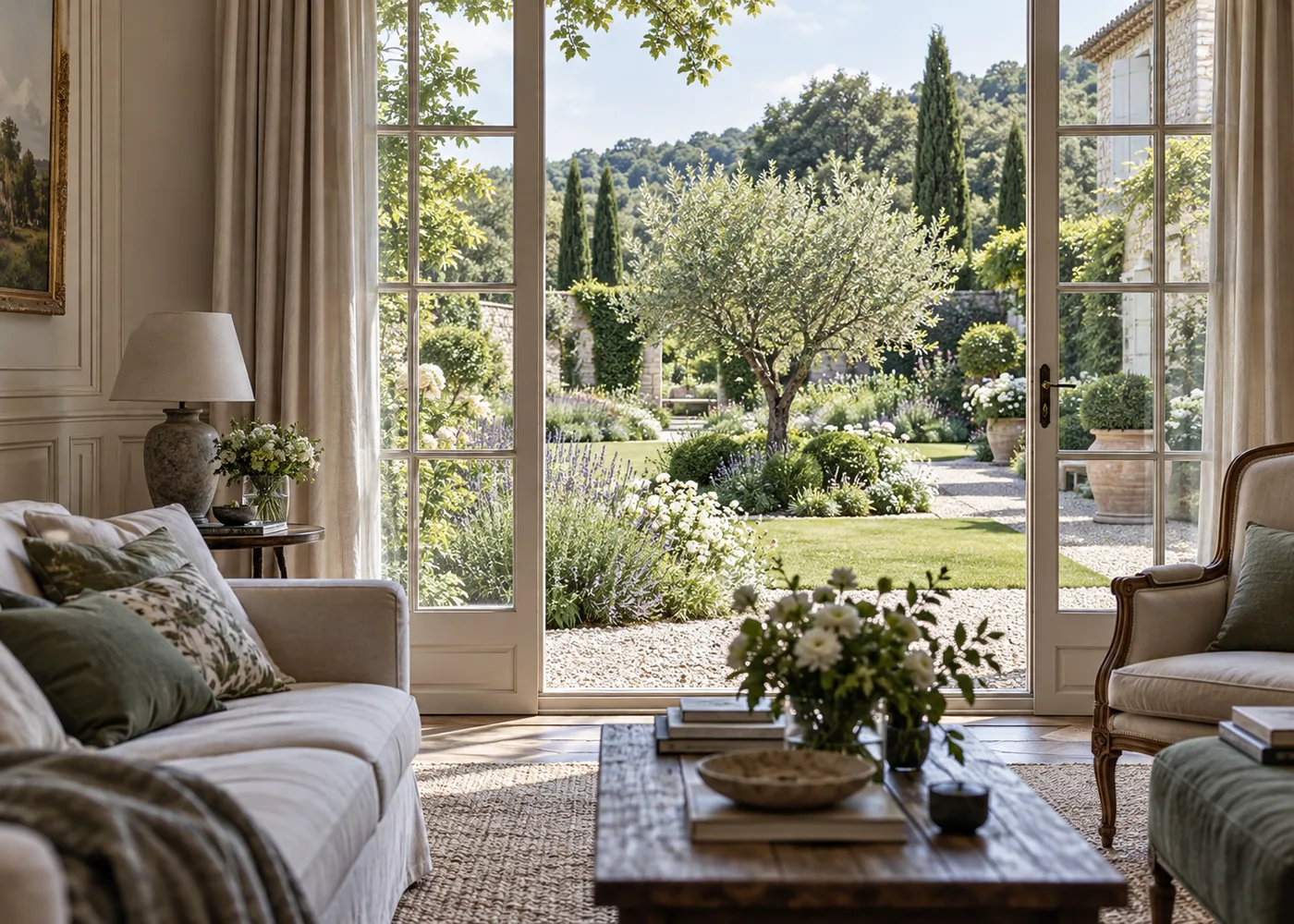
A field guide to design the garden from the windows: framing scenes from the rooms used most often, followed by checks for the details that determine success.
Read the guide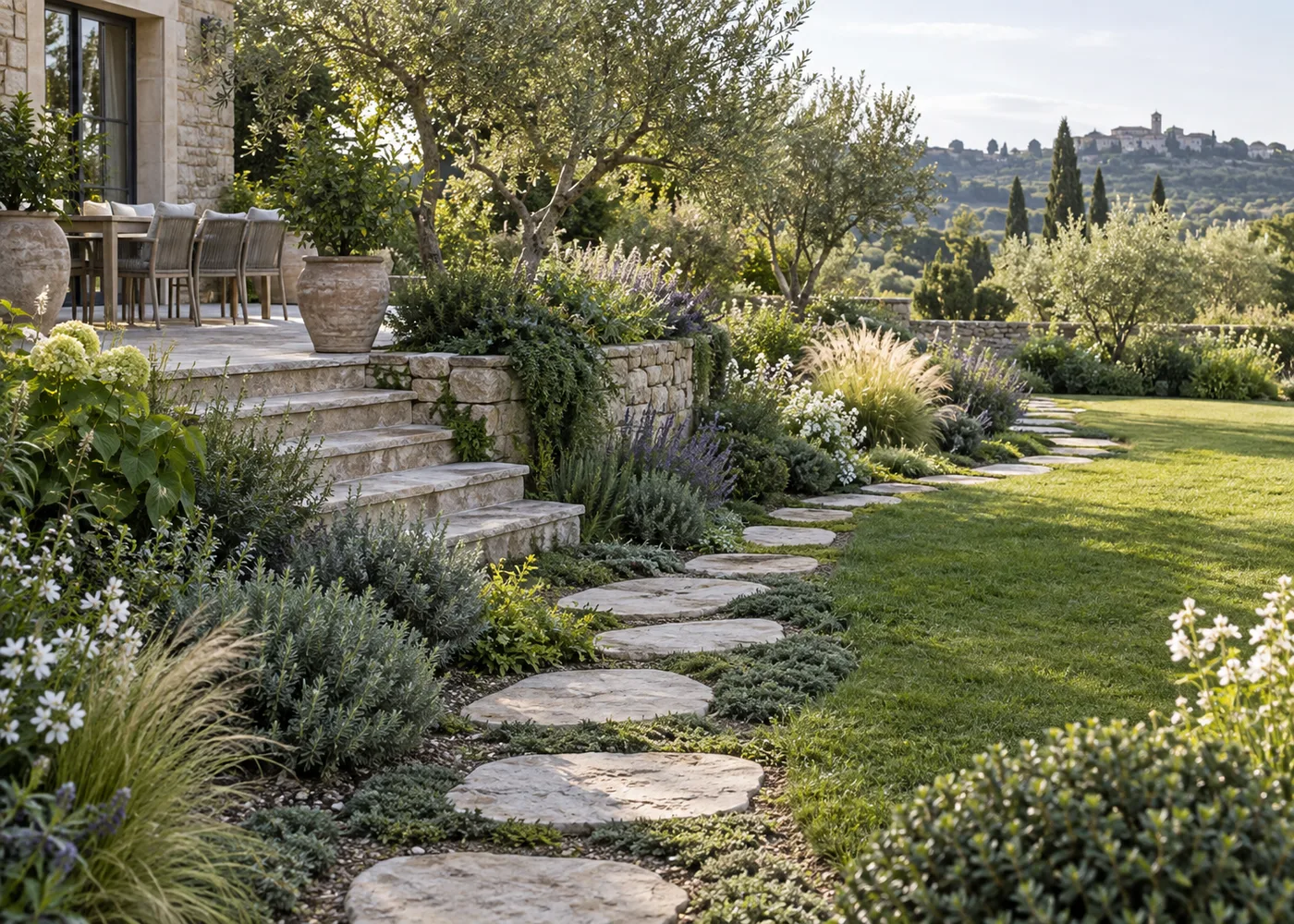
A field guide to design natural garden circulation: linking uses with direct, comfortable and properly sized routes, followed by checks for the details that determine success.
Read the guide
A field guide to place a focal point without freezing the view: drawing the eye while leaving several discoveries in sequence, followed by checks for the details that determine success.
Read the guide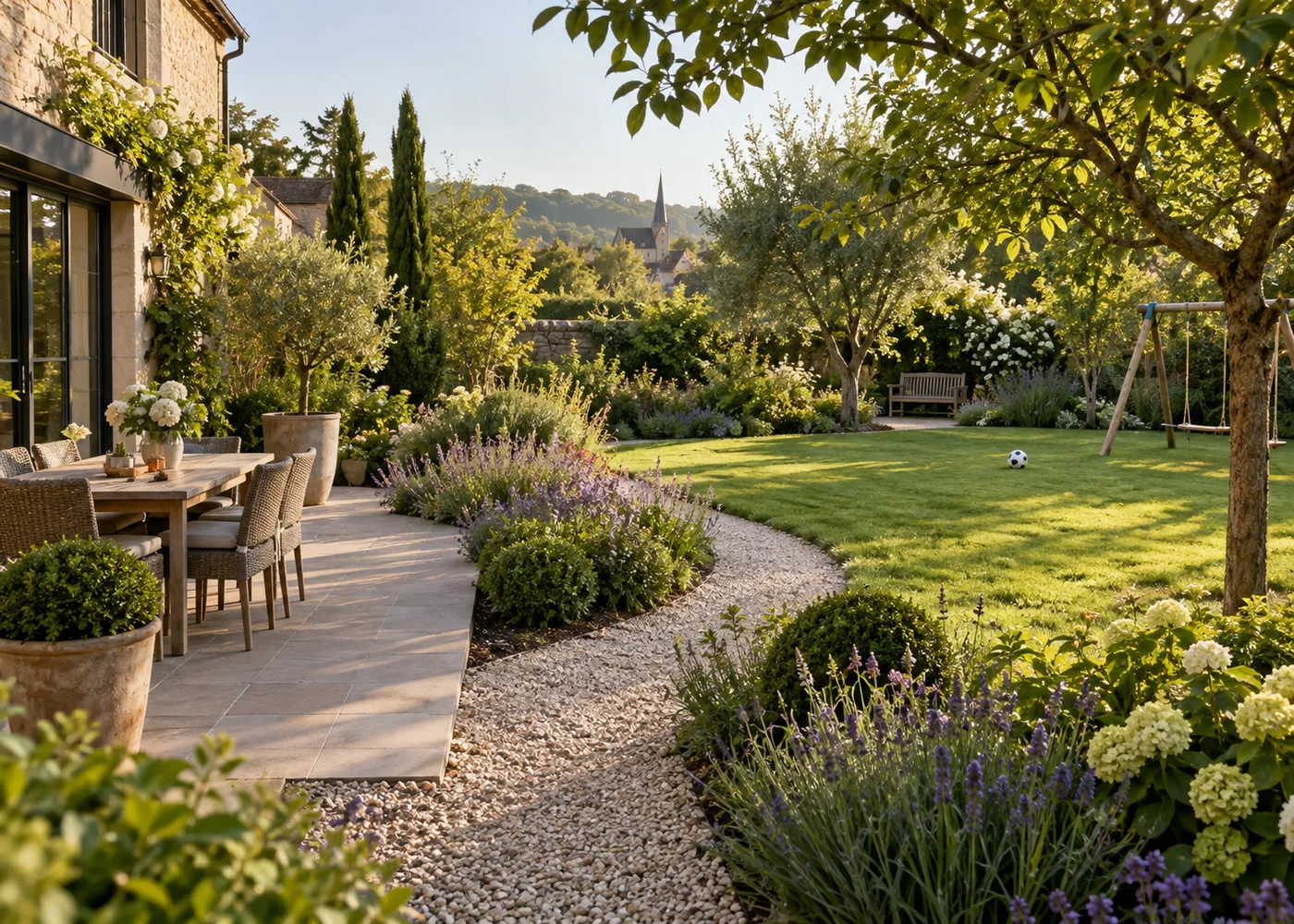
A field guide to organise a garden into useful zones: sizing every zone for how often it is used and how it relates to the house, followed by checks for the details that determine success.
Read the guide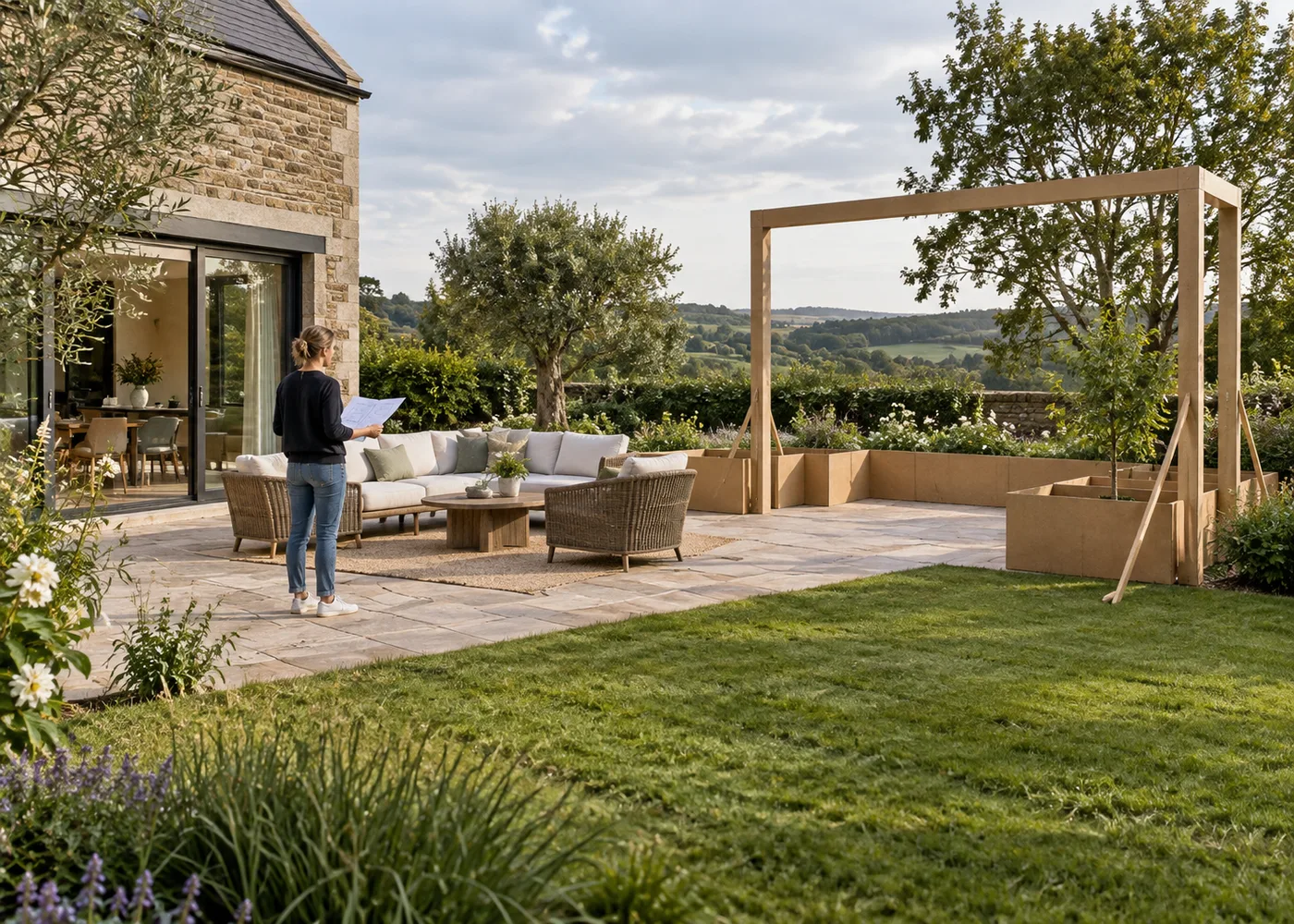
A field guide to get scale and proportion right in a garden: comparing furniture, planting and built volumes with human-scale references, followed by checks for the details that determine success.
Read the guide
A field guide to design a sloping garden with the land: turning the slope into measured terraces instead of relying on major earthworks, followed by checks for the details that determine success.
Read the guide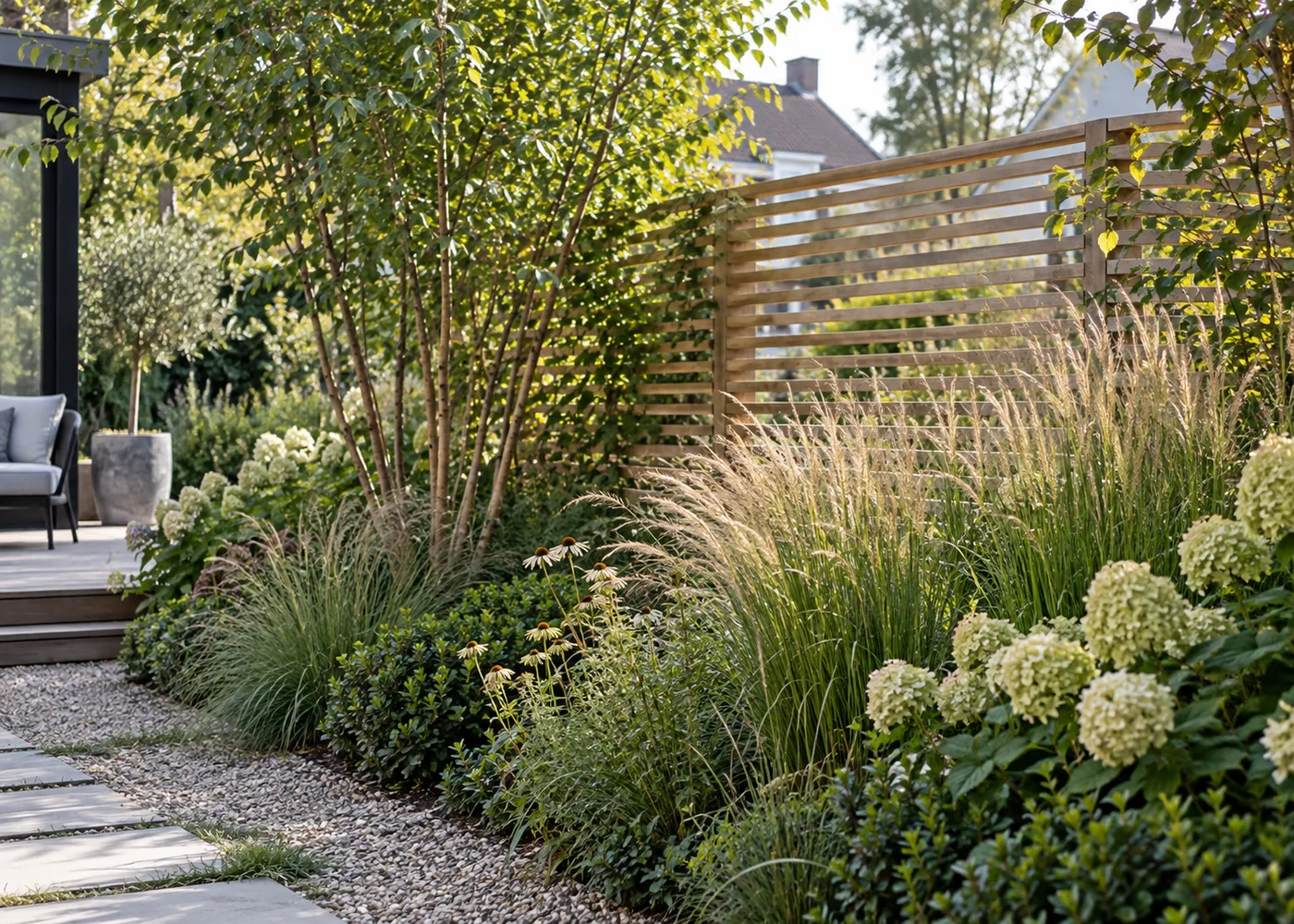
A field guide to create privacy without enclosing the garden: filtering views at the necessary height with several light layers, followed by checks for the details that determine success.
Read the guide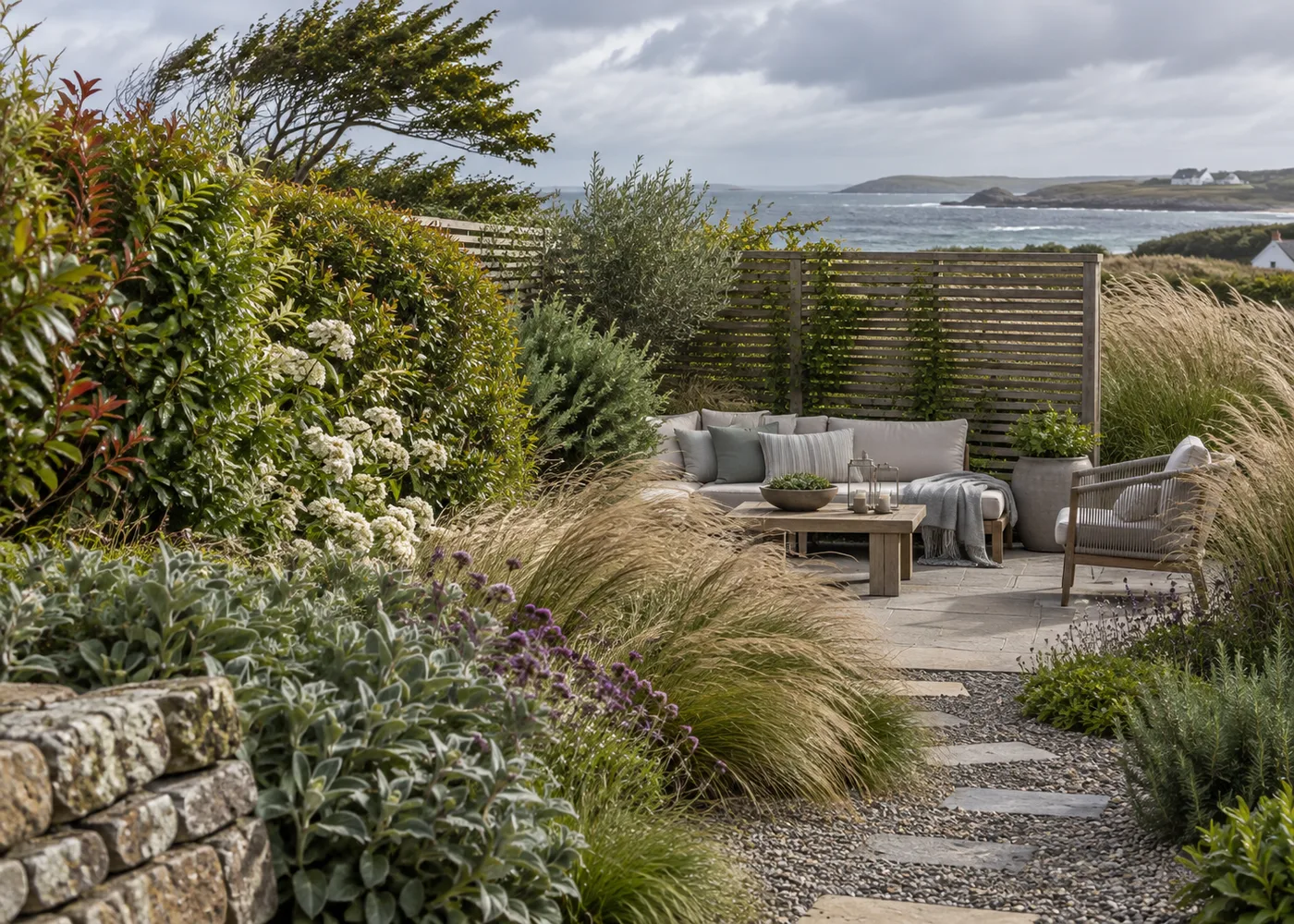
A field guide to design a garden exposed to wind: slowing gusts with permeable screens and layered planting, followed by checks for the details that determine success.
Read the guide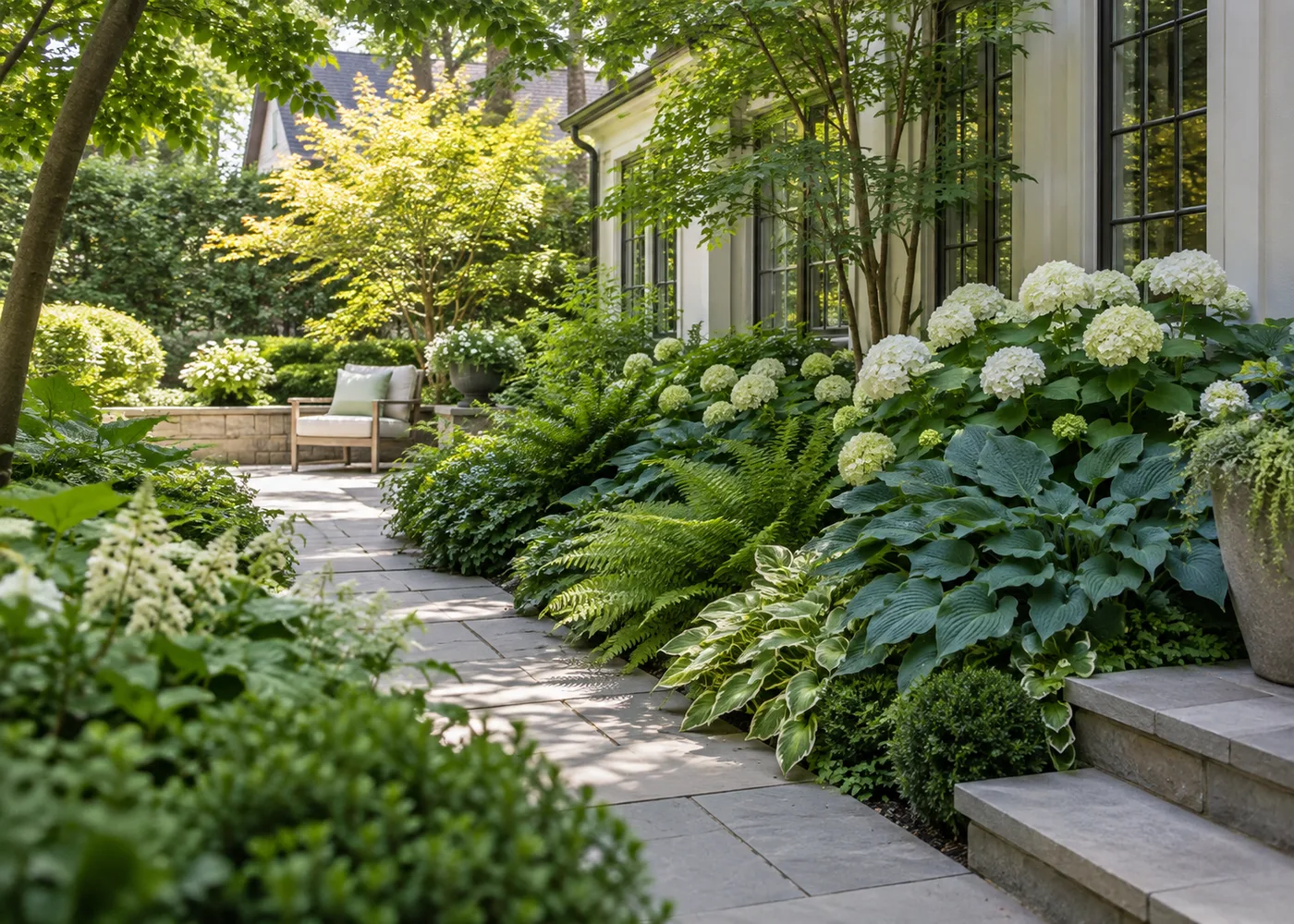
A field guide to plan a north-facing garden: reserving bright areas for priority uses and making cool shade an asset, followed by checks for the details that determine success.
Read the guide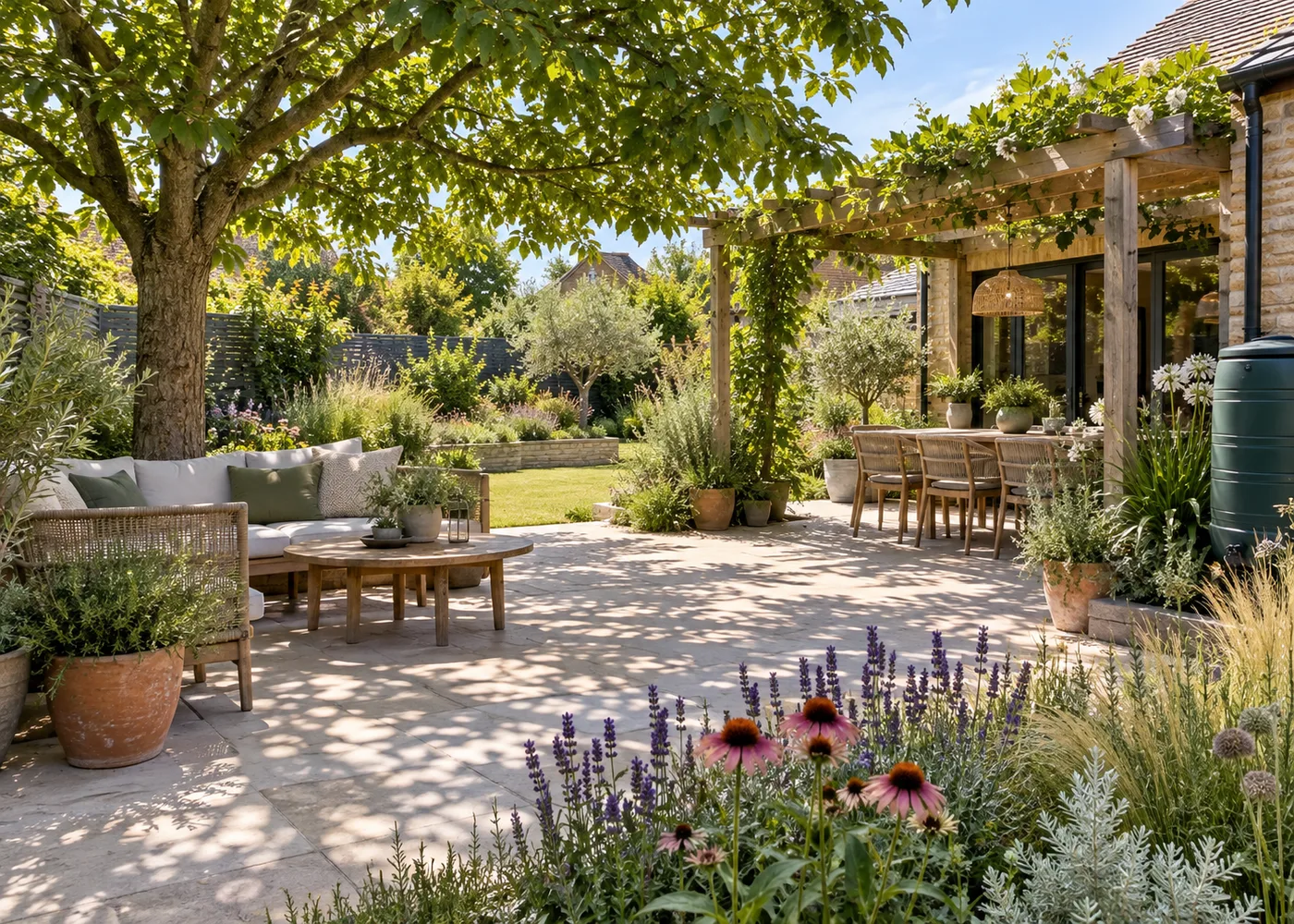
A field guide to design a south-facing garden: planning shade, water reserves and surfaces that do not overheat, followed by checks for the details that determine success.
Read the guide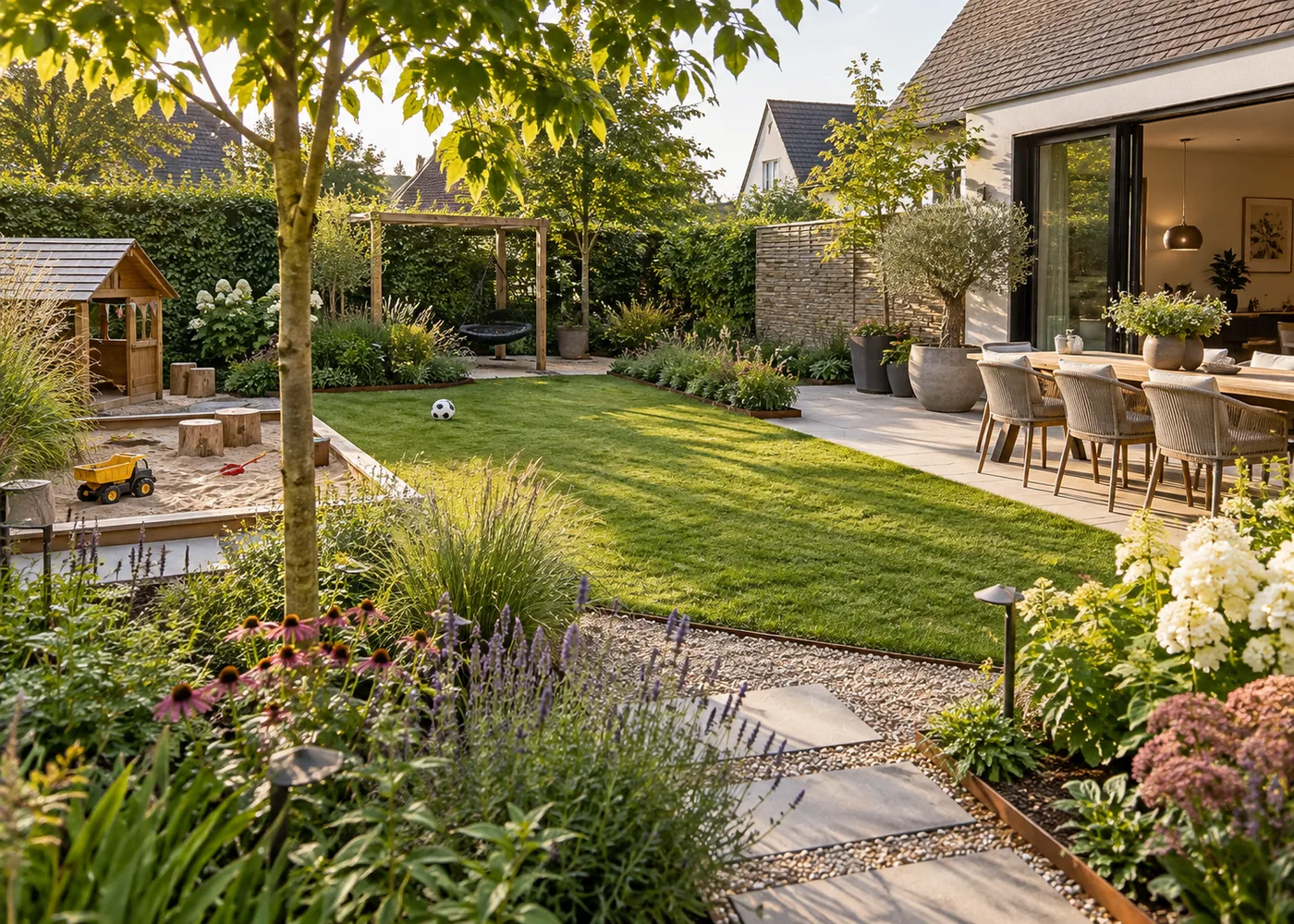
A field guide to design a garden for the whole family: layering play, dining and rest without sacrificing clarity, followed by checks for the details that determine success.
Read the guide
A field guide to plan a pet-friendly garden: securing boundaries and plants while preserving genuine room to explore, followed by checks for the details that determine success.
Read the guide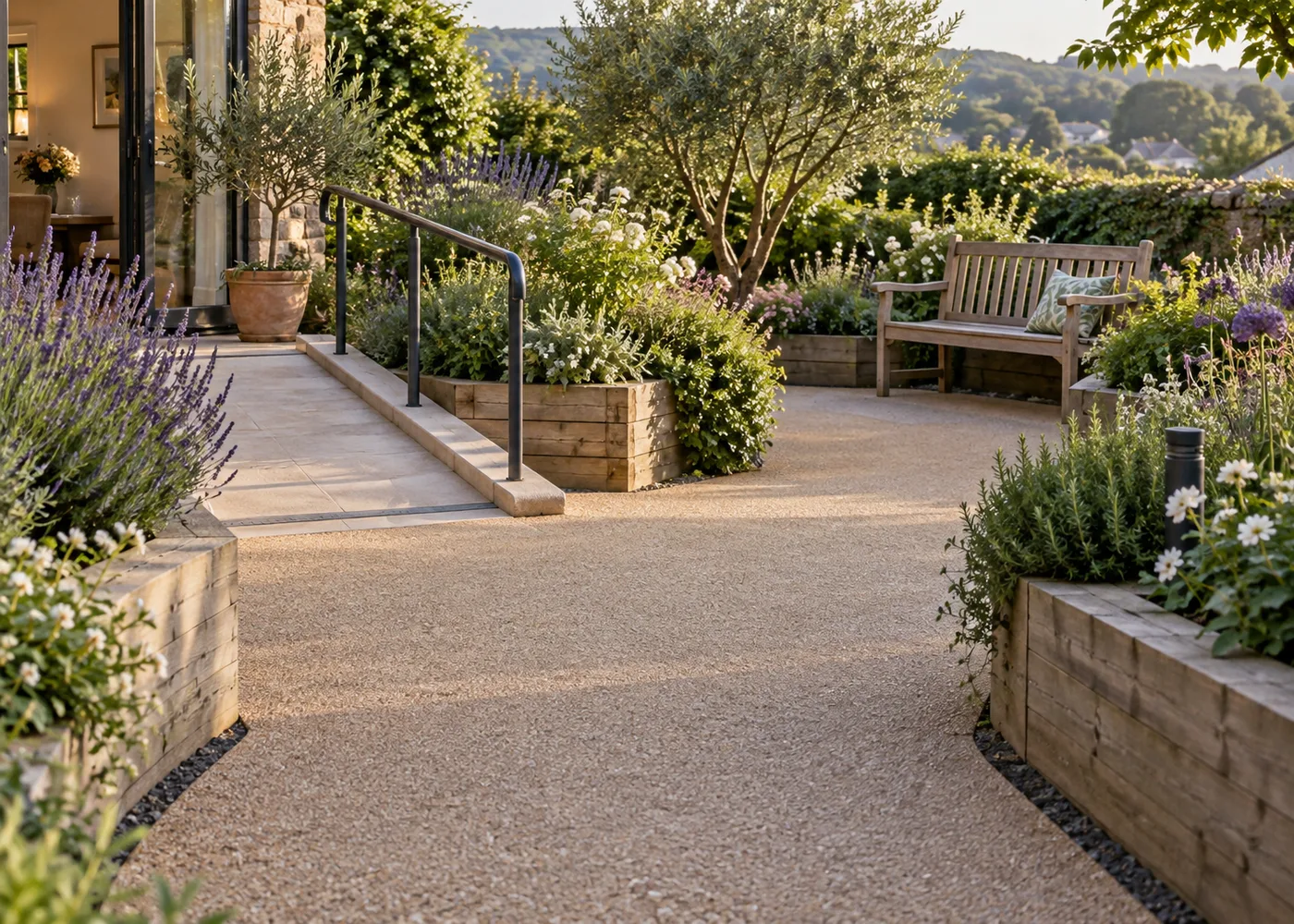
A field guide to make a garden easy to access: reducing barriers with gentle slopes, stable surfaces and well-placed resting points, followed by checks for the details that determine success.
Read the guide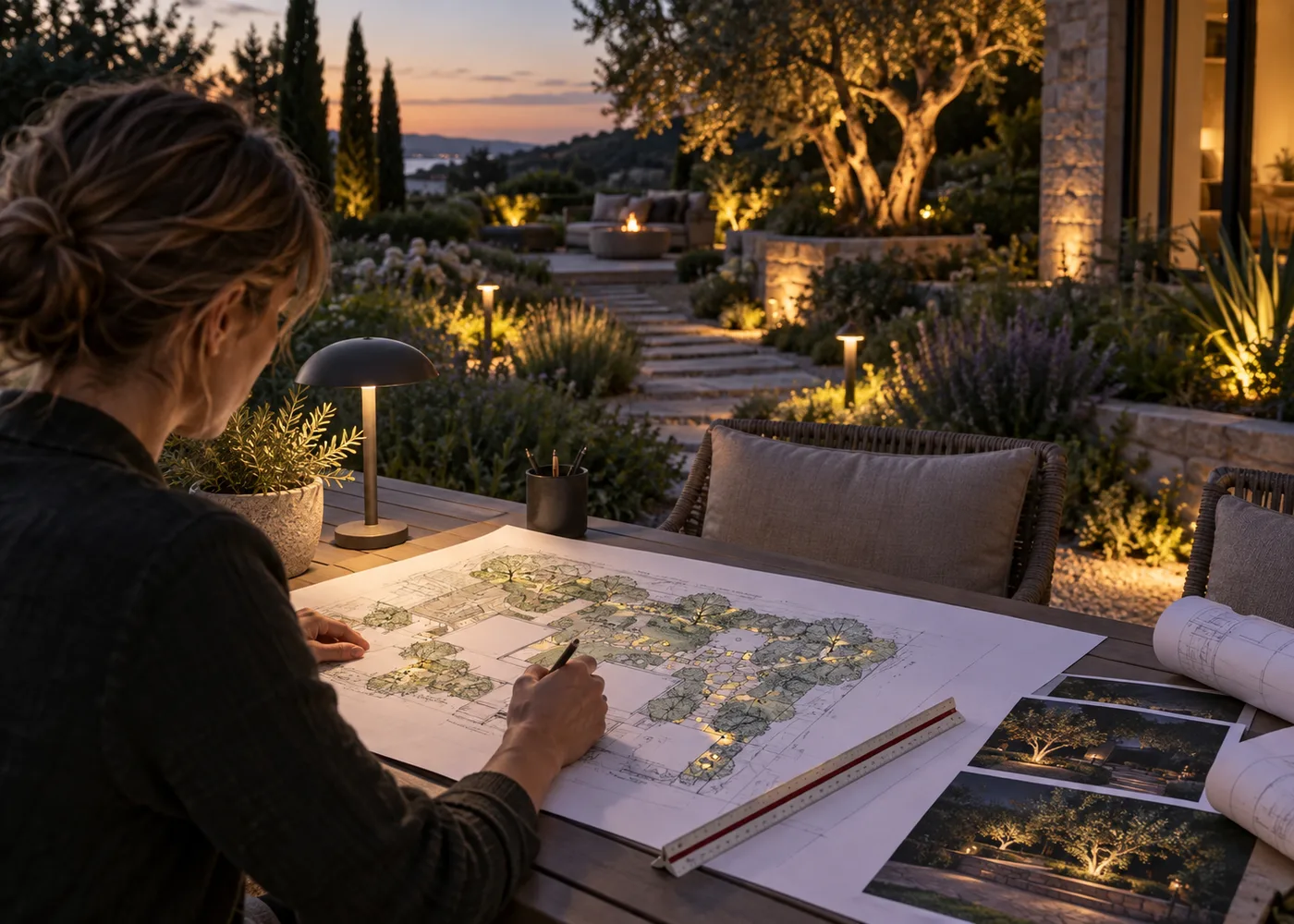
A field guide to prepare an outdoor lighting plan: lighting uses and level changes without turning night into permanent scenery, followed by checks for the details that determine success.
Read the guide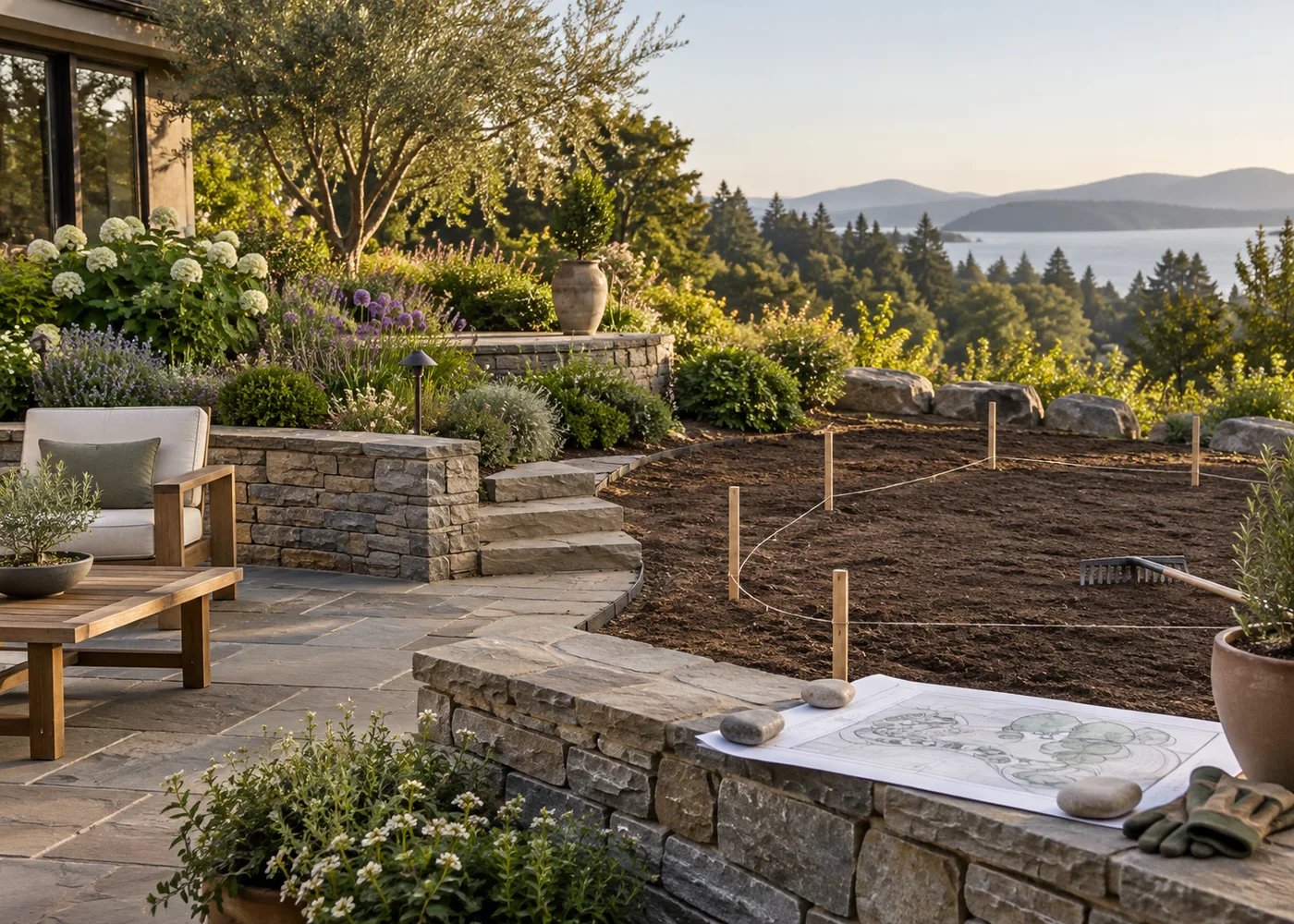
A field guide to build a garden in phases without losing the plan: fixing levels, services and structure before finishes, followed by checks for the details that determine success.
Read the guide
A field guide to choose a coherent material palette: limiting finishes and connecting them to the existing architecture, followed by checks for the details that determine success.
Read the guide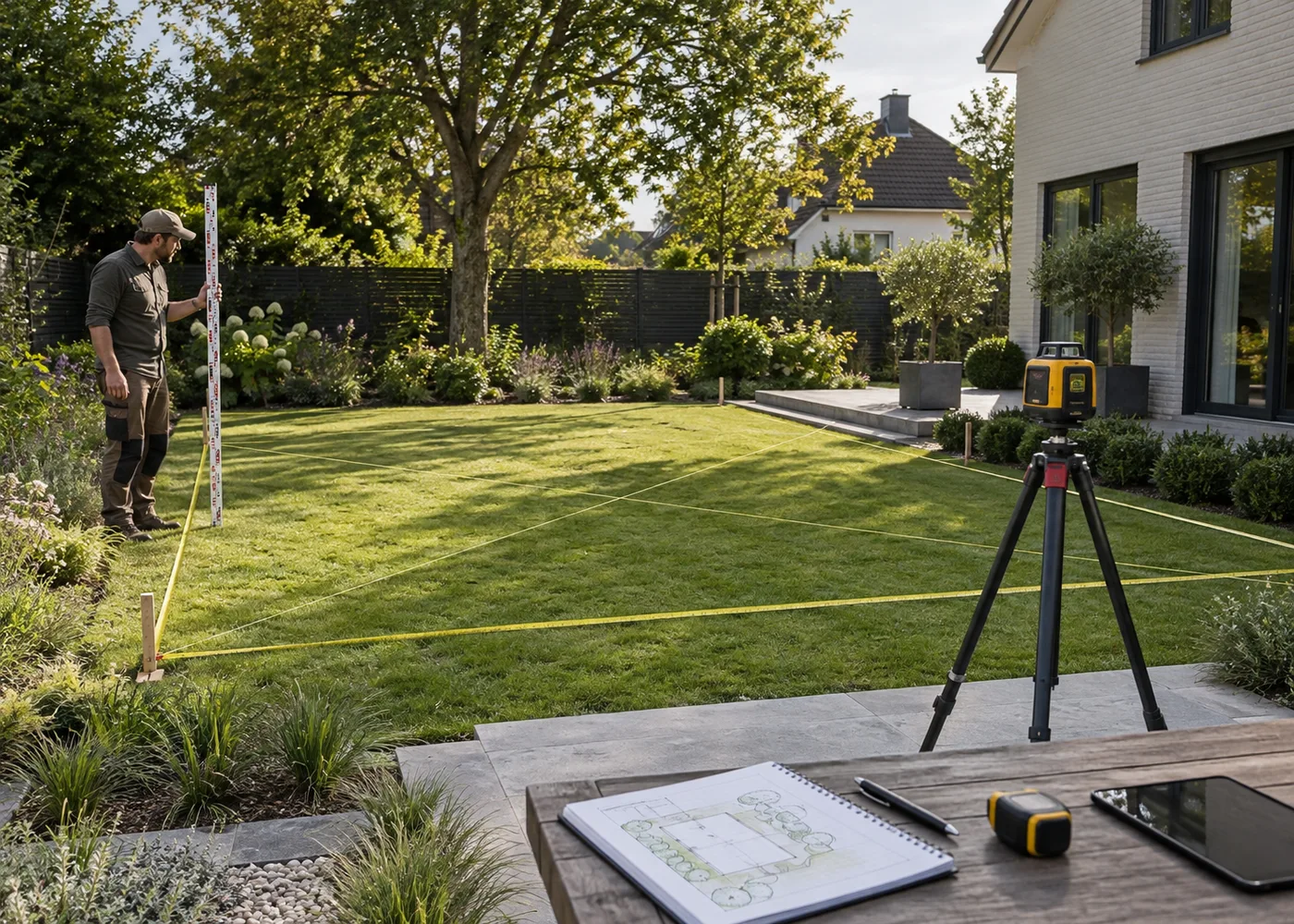
A field guide to measure a garden without missing key details: recording diagonals, levels, services and retained features before sketching, followed by checks for the details that determine success.
Read the guide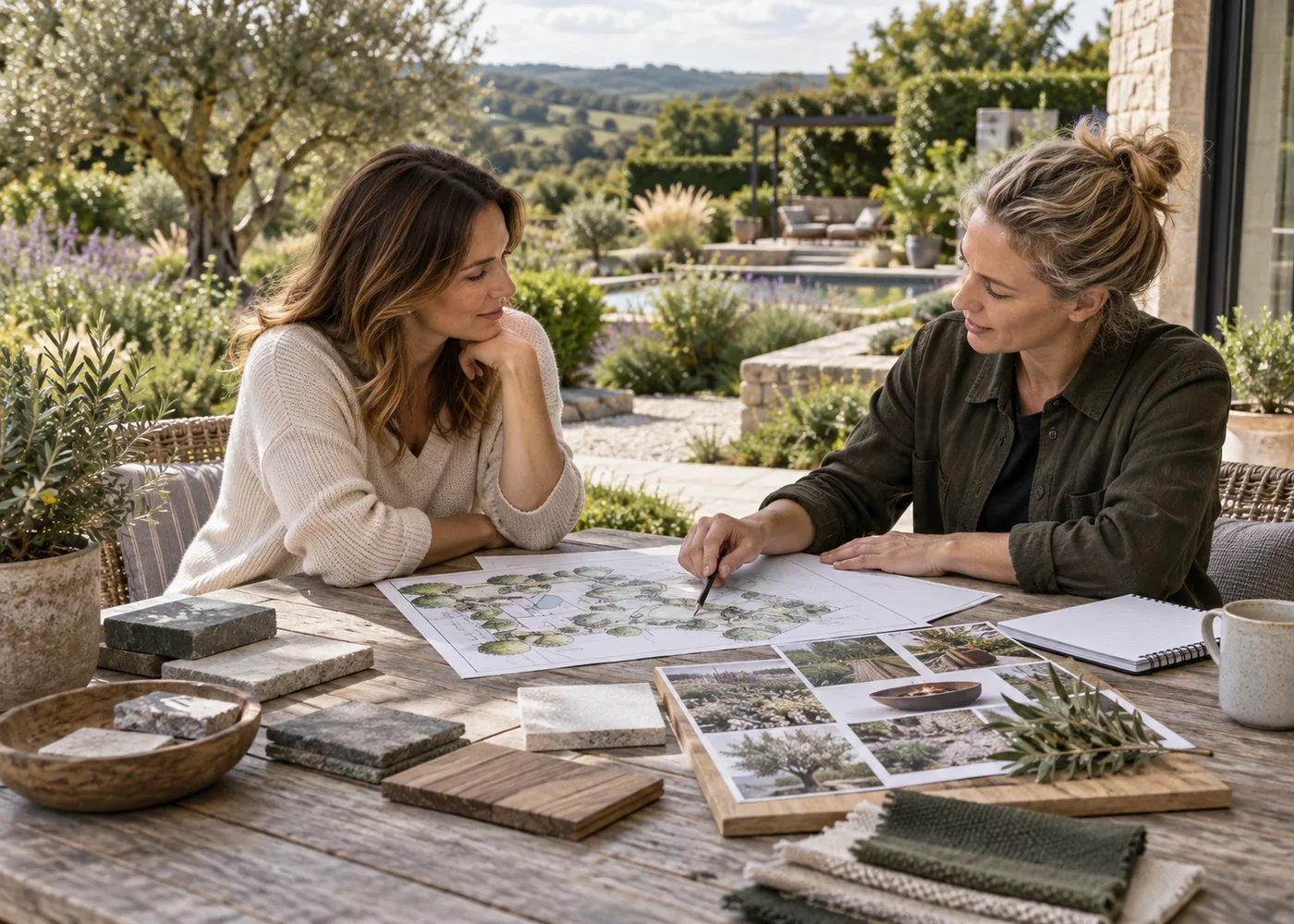
A field guide to write a useful brief for a garden designer: expressing uses, constraints, budget and priorities instead of a list of objects, followed by checks for the details that determine success.
Read the guide