Sustainable Gardens
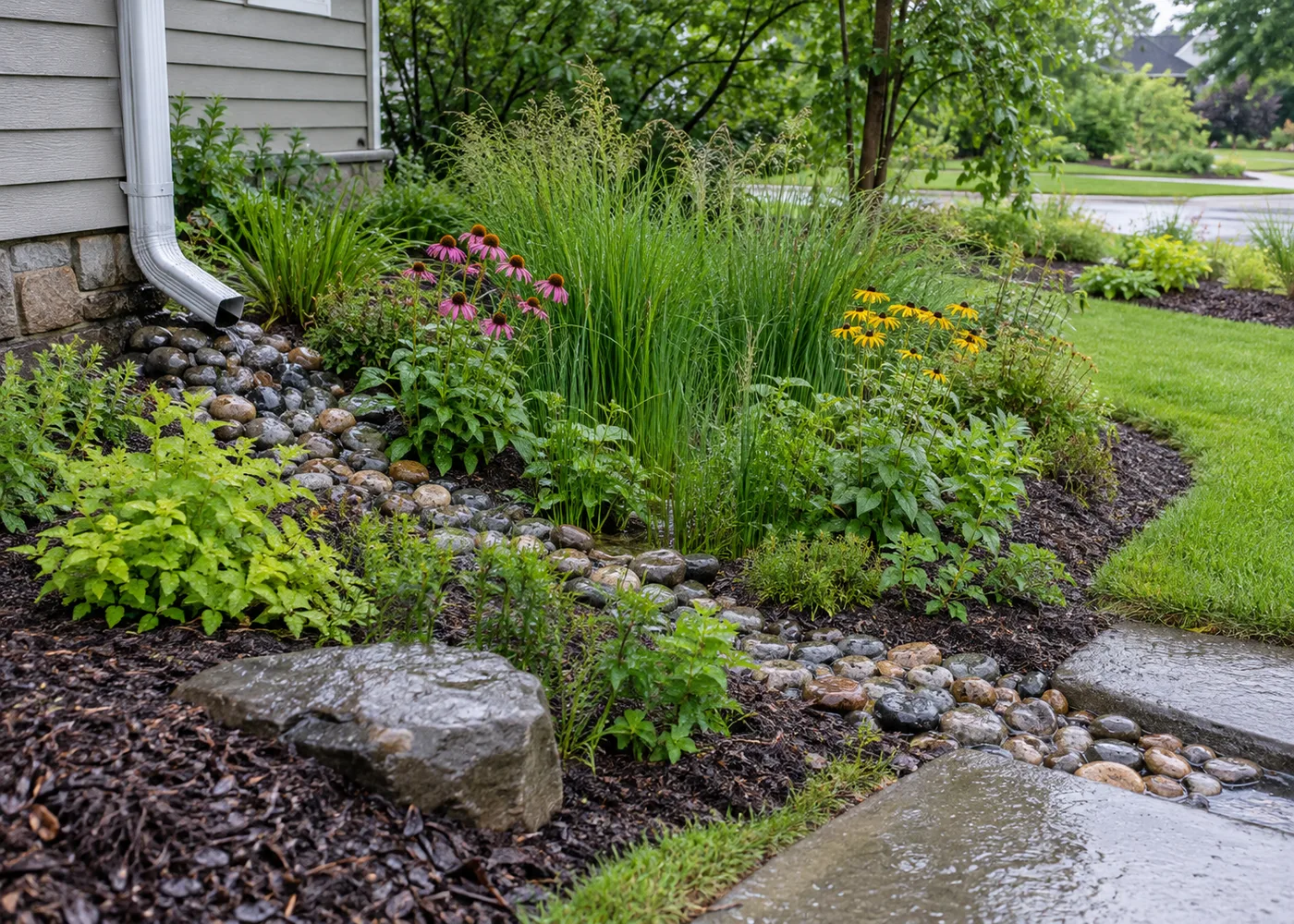
Create a Rain Garden
A field guide to create a rain garden: slowing runoff in a planted depression that drains naturally, followed by checks for the details that determine success.
Read the guide15 articles
Save water, protect soil and support biodiversity.
A field guide to create a rain garden: slowing runoff in a planted depression that drains naturally, followed by checks for the details that determine success.
Read the guide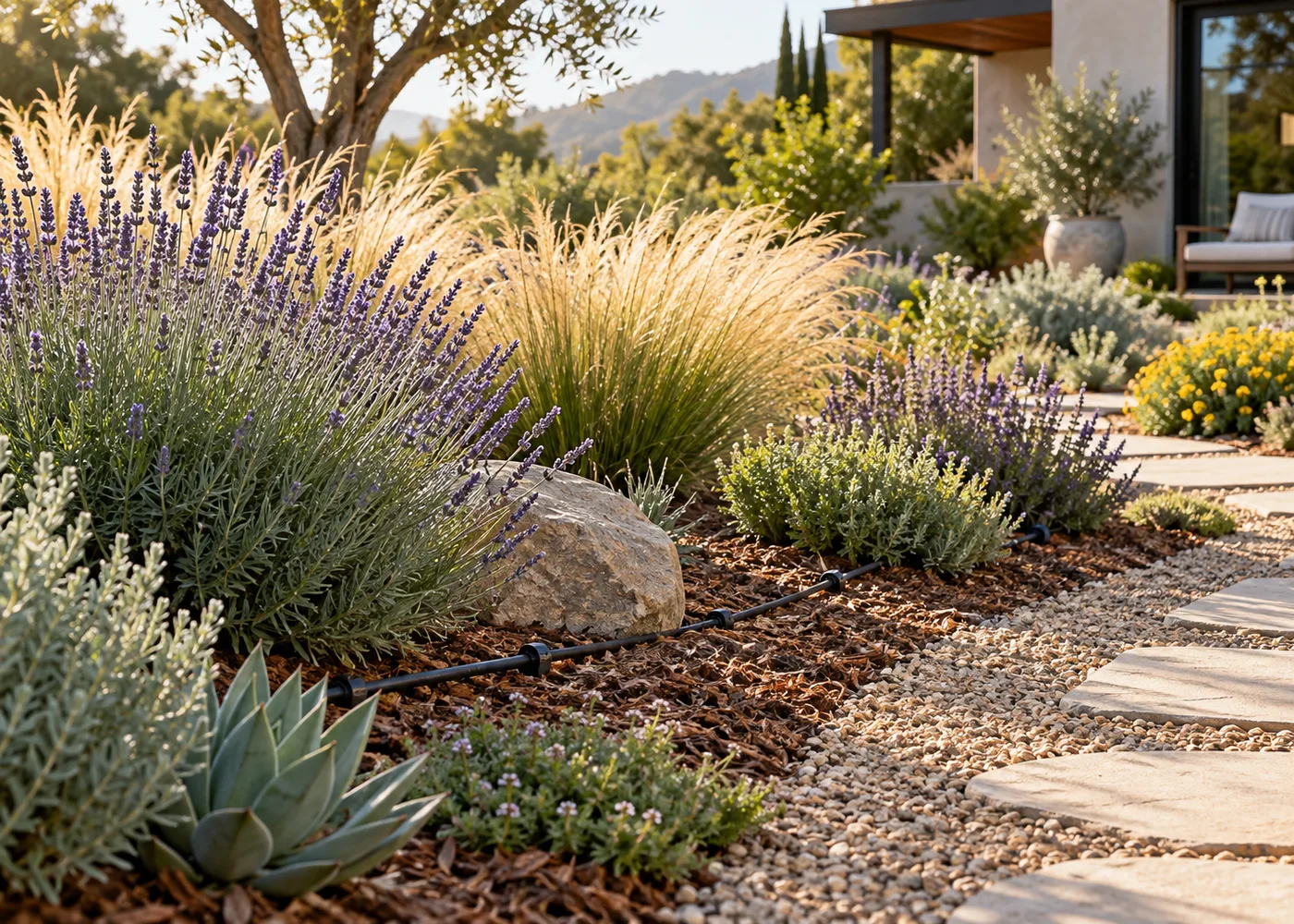
A field guide to reduce watering without sacrificing the garden: combining covered soil, adapted plants and deep, infrequent watering, followed by checks for the details that determine success.
Read the guide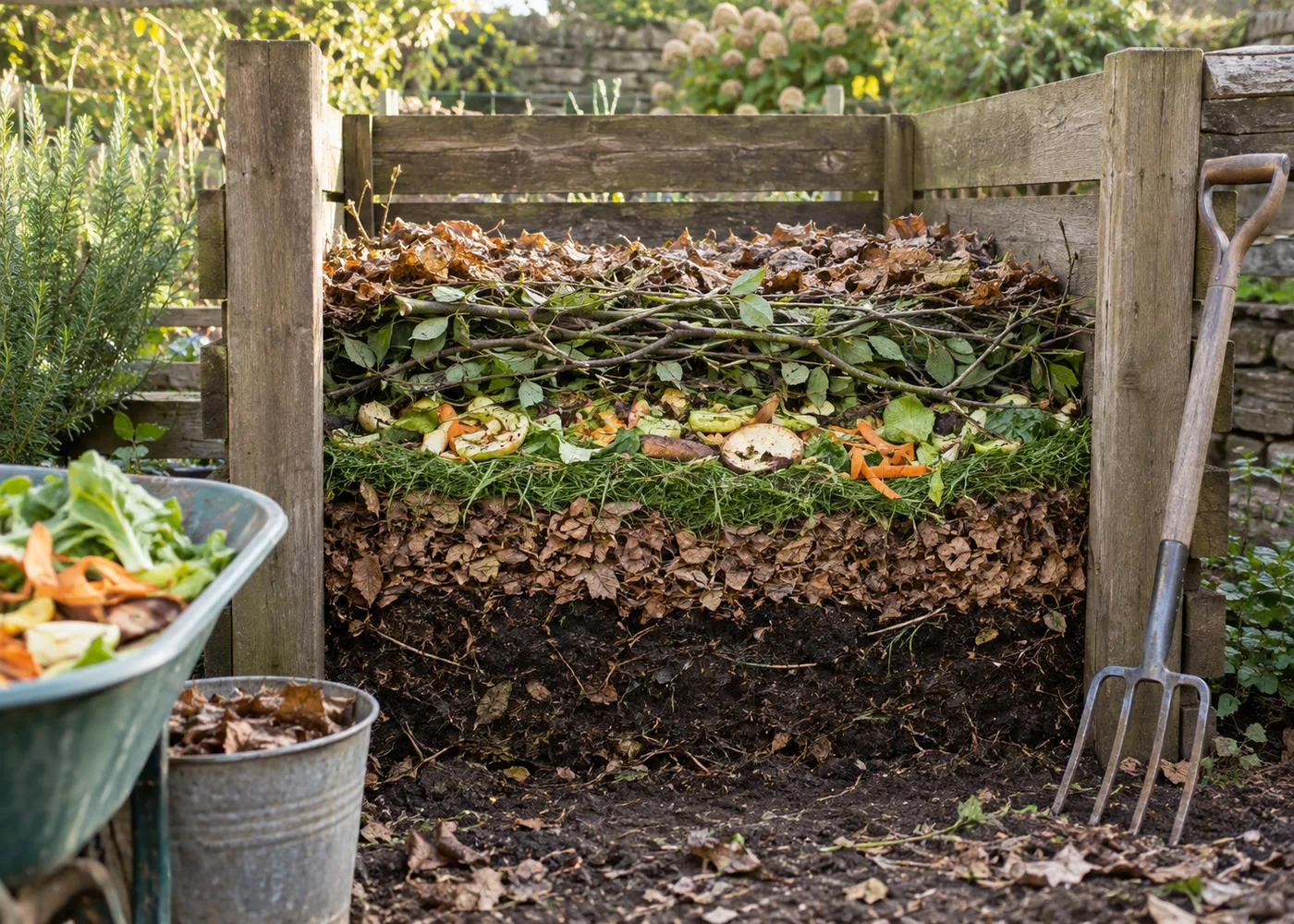
A field guide to make balanced garden compost: alternating green and brown material while maintaining air and moisture, followed by checks for the details that determine success.
Read the guide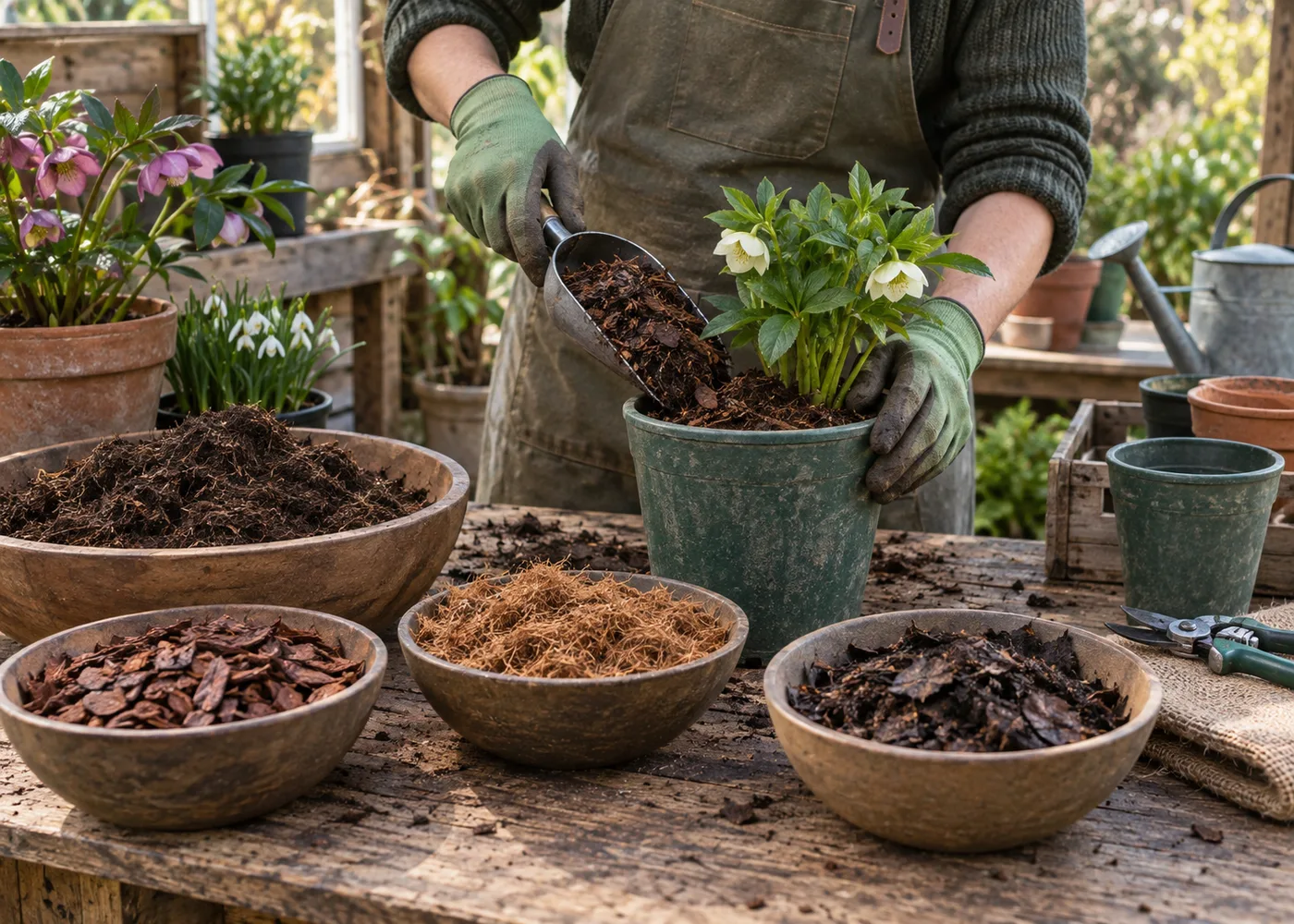
A field guide to garden without peat: choosing suitable growing media and slightly adjusting watering habits, followed by checks for the details that determine success.
Read the guide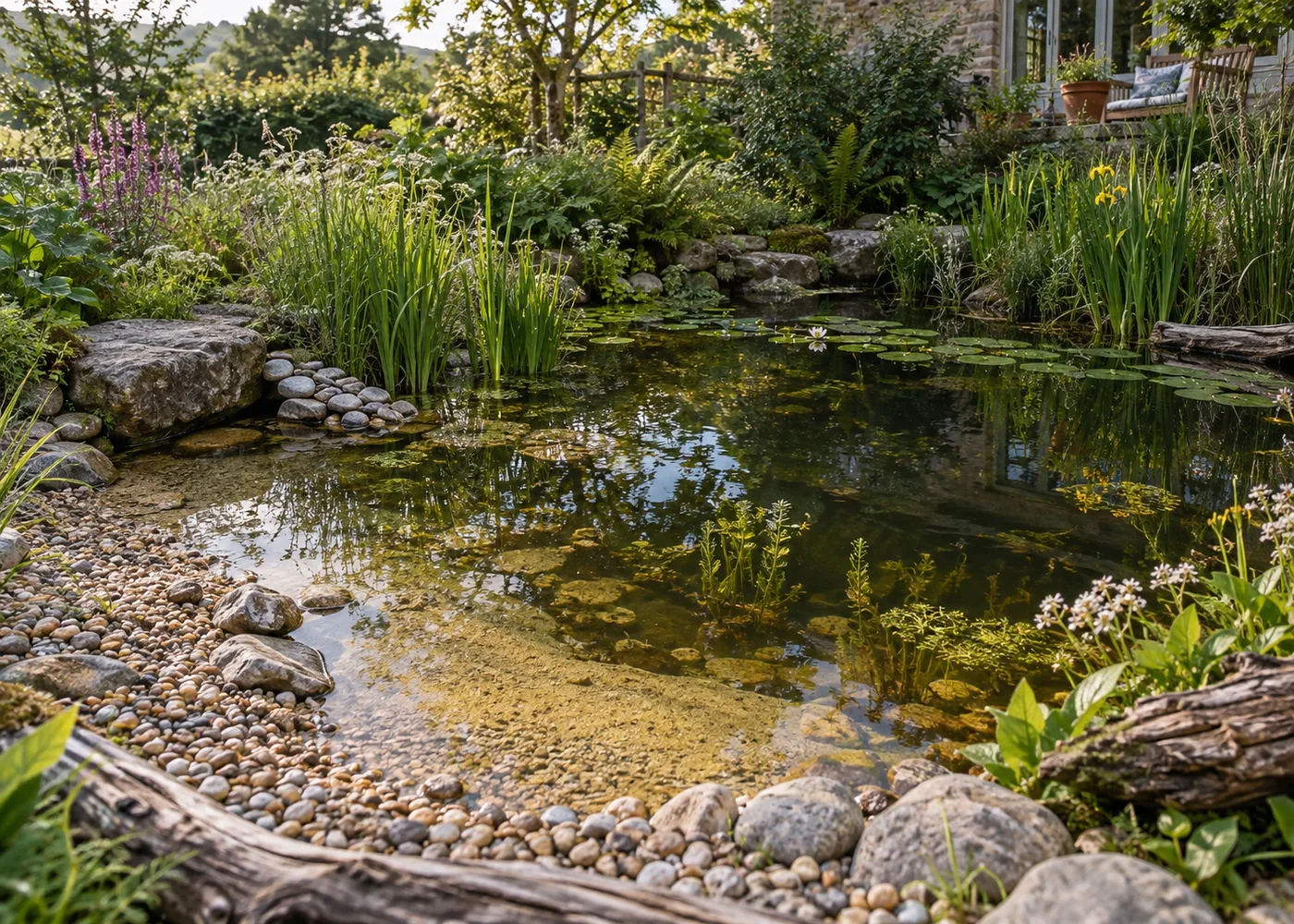
A field guide to install a small wildlife pond: providing gentle slopes, varied depths and no fish, followed by checks for the details that determine success.
Read the guide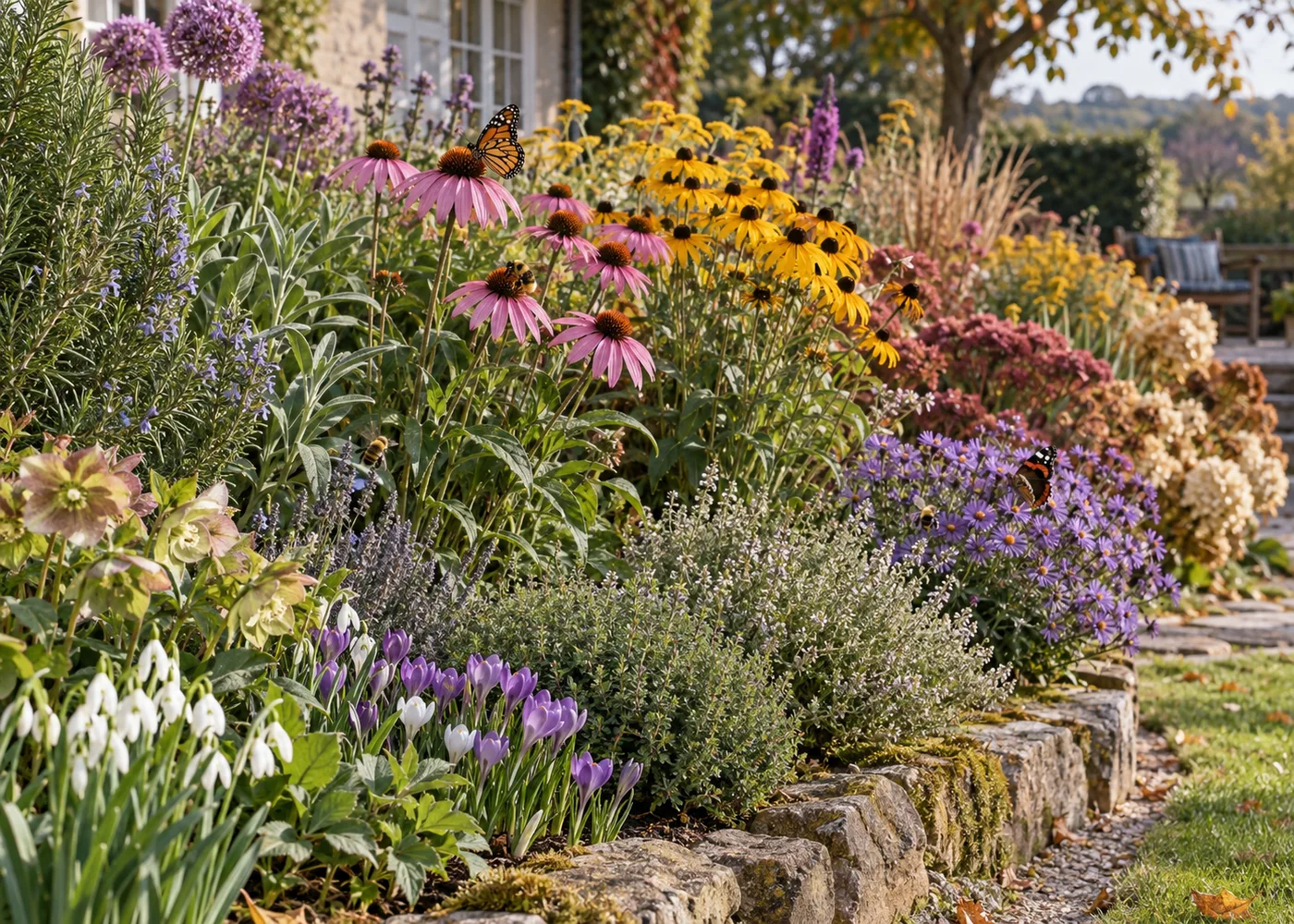
A field guide to feed pollinators through the year: sequencing floral resources from early spring through autumn, followed by checks for the details that determine success.
Read the guide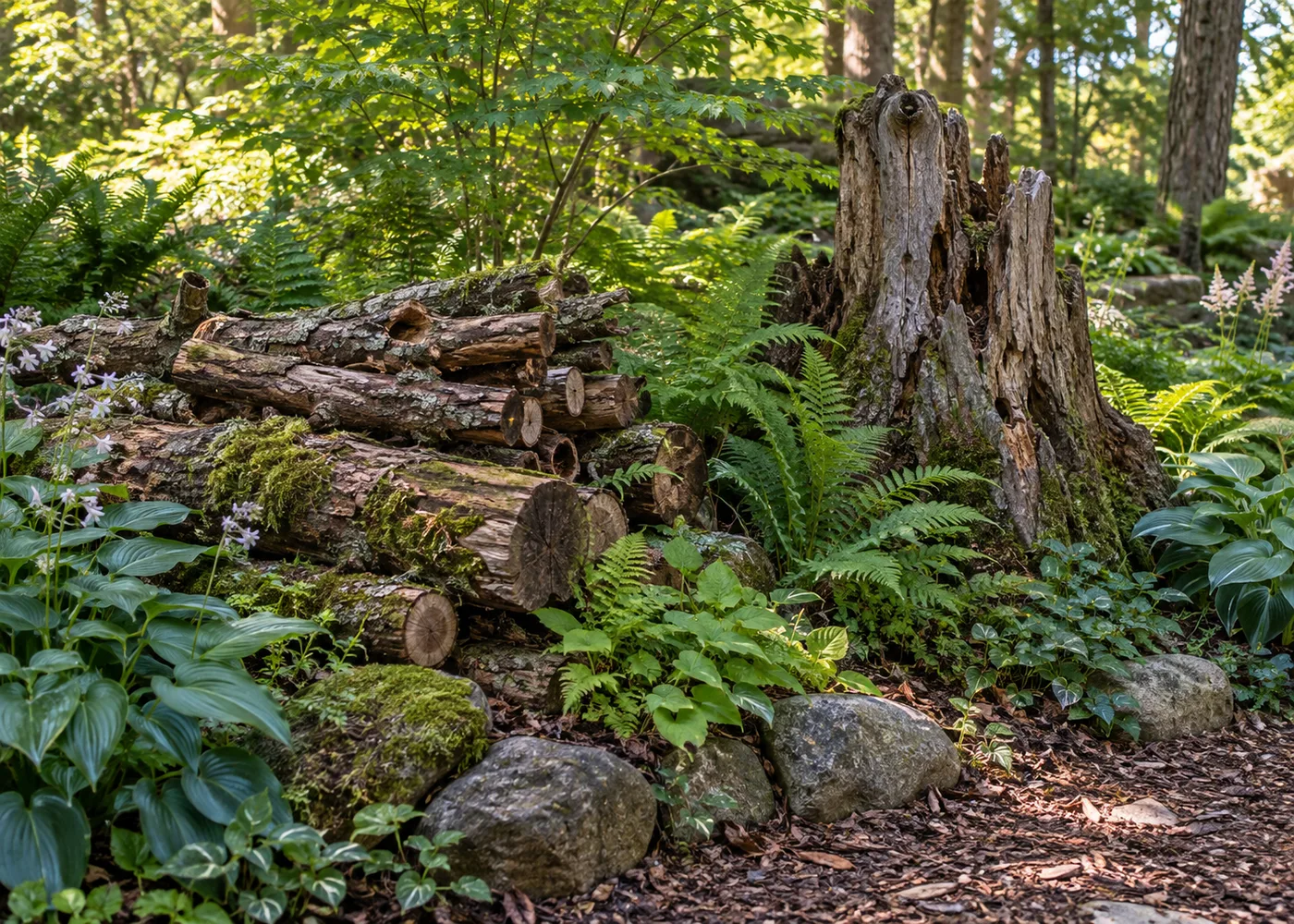
A field guide to use dead wood in the garden: turning safe branches and stumps into habitat and organic matter, followed by checks for the details that determine success.
Read the guide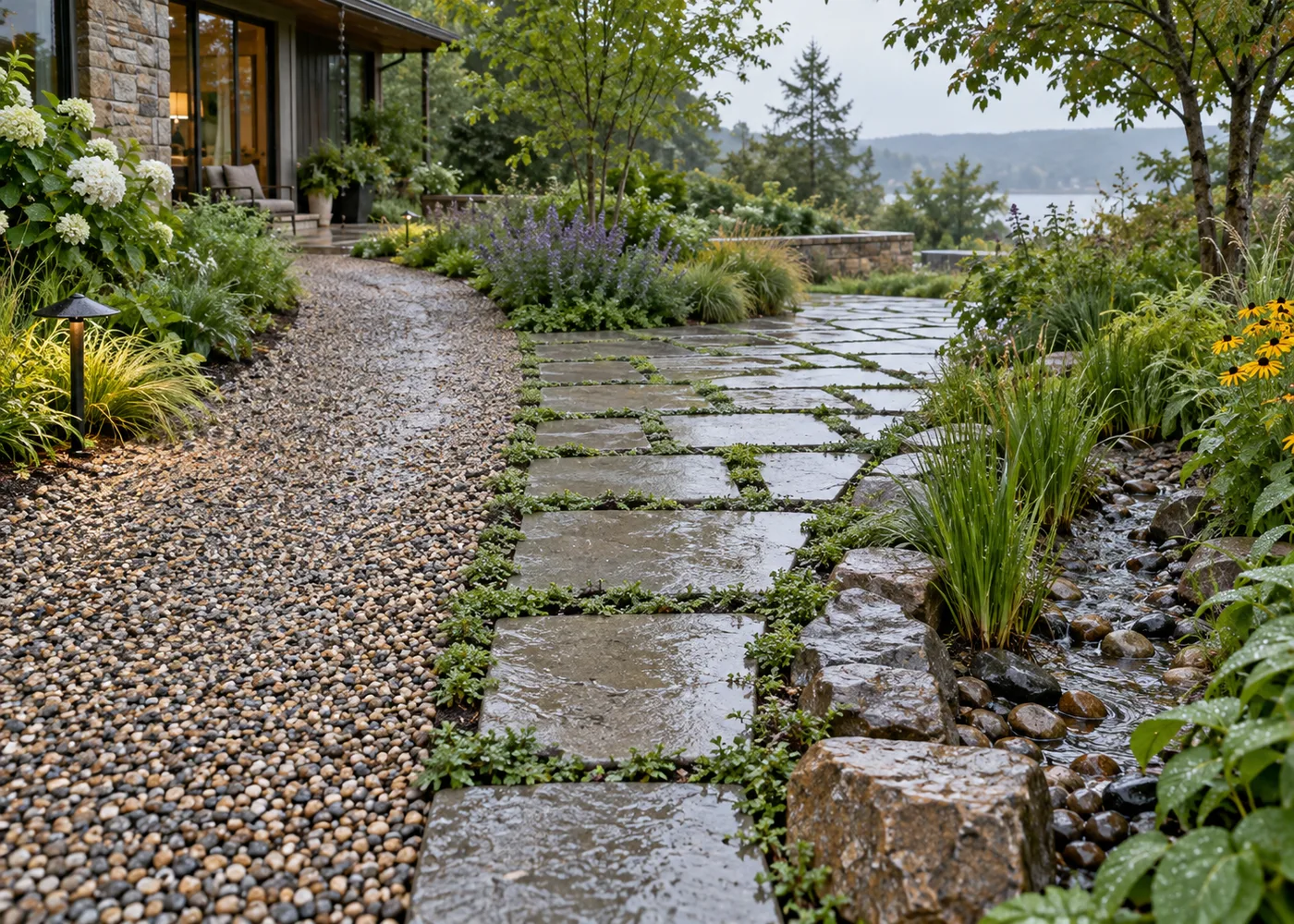
A field guide to choose permeable outdoor surfaces: adapting the base and joints so water can return to the ground, followed by checks for the details that determine success.
Read the guide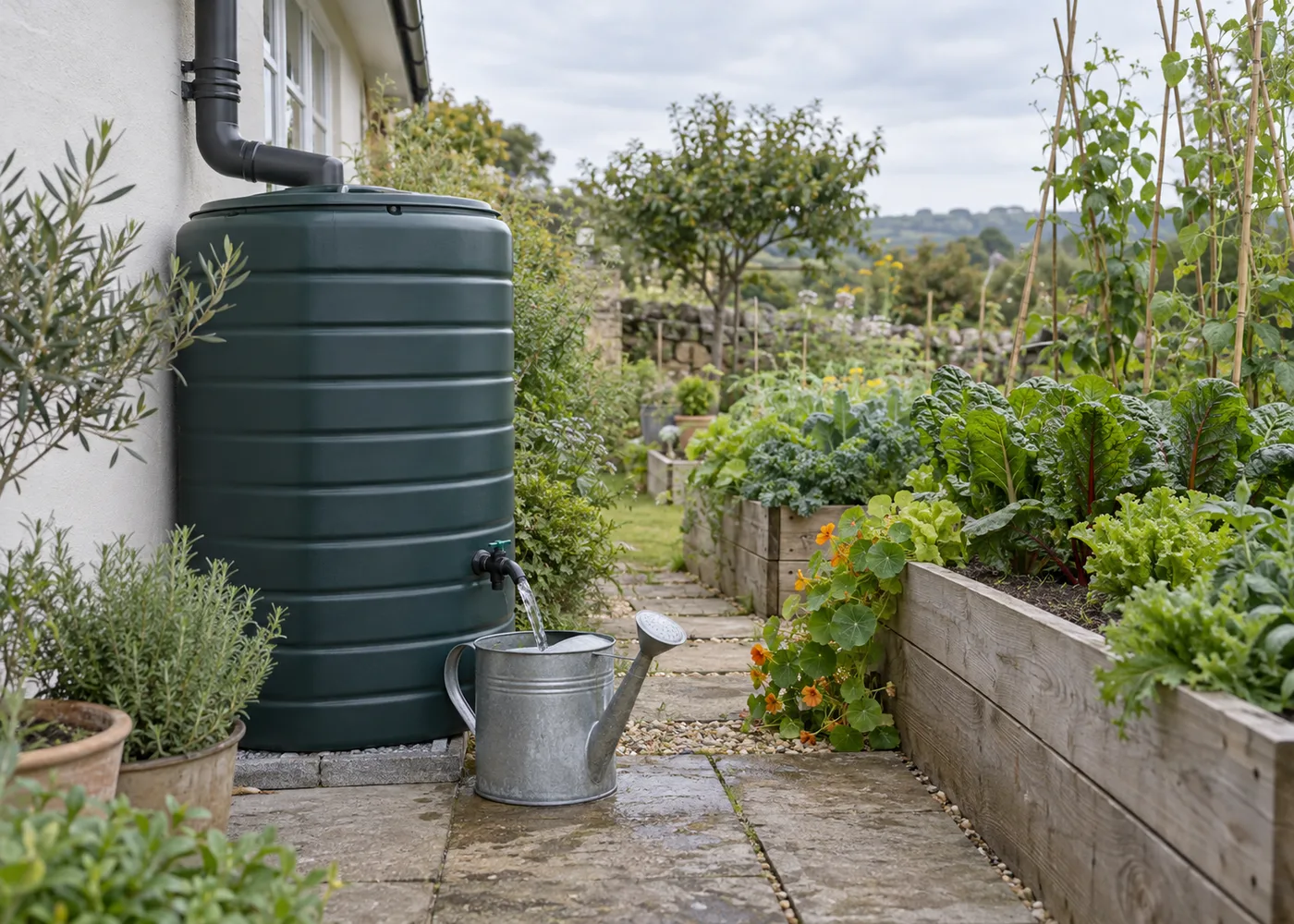
A field guide to harvest rainwater usefully: sizing storage for roof area, rainfall and realistic demand, followed by checks for the details that determine success.
Read the guide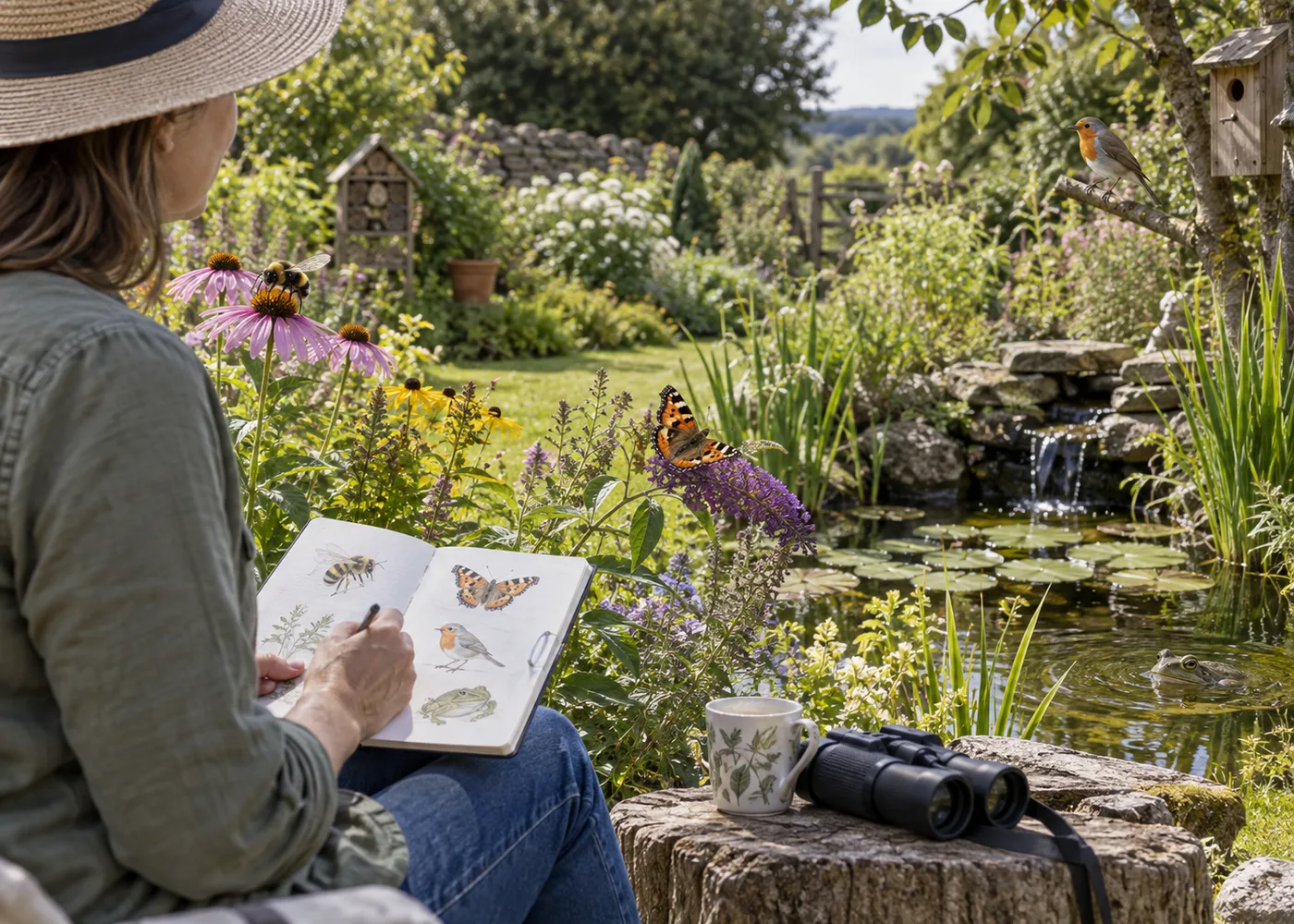
A field guide to observe biodiversity in your garden: tracking a few simple indicators rather than trying to count every species, followed by checks for the details that determine success.
Read the guide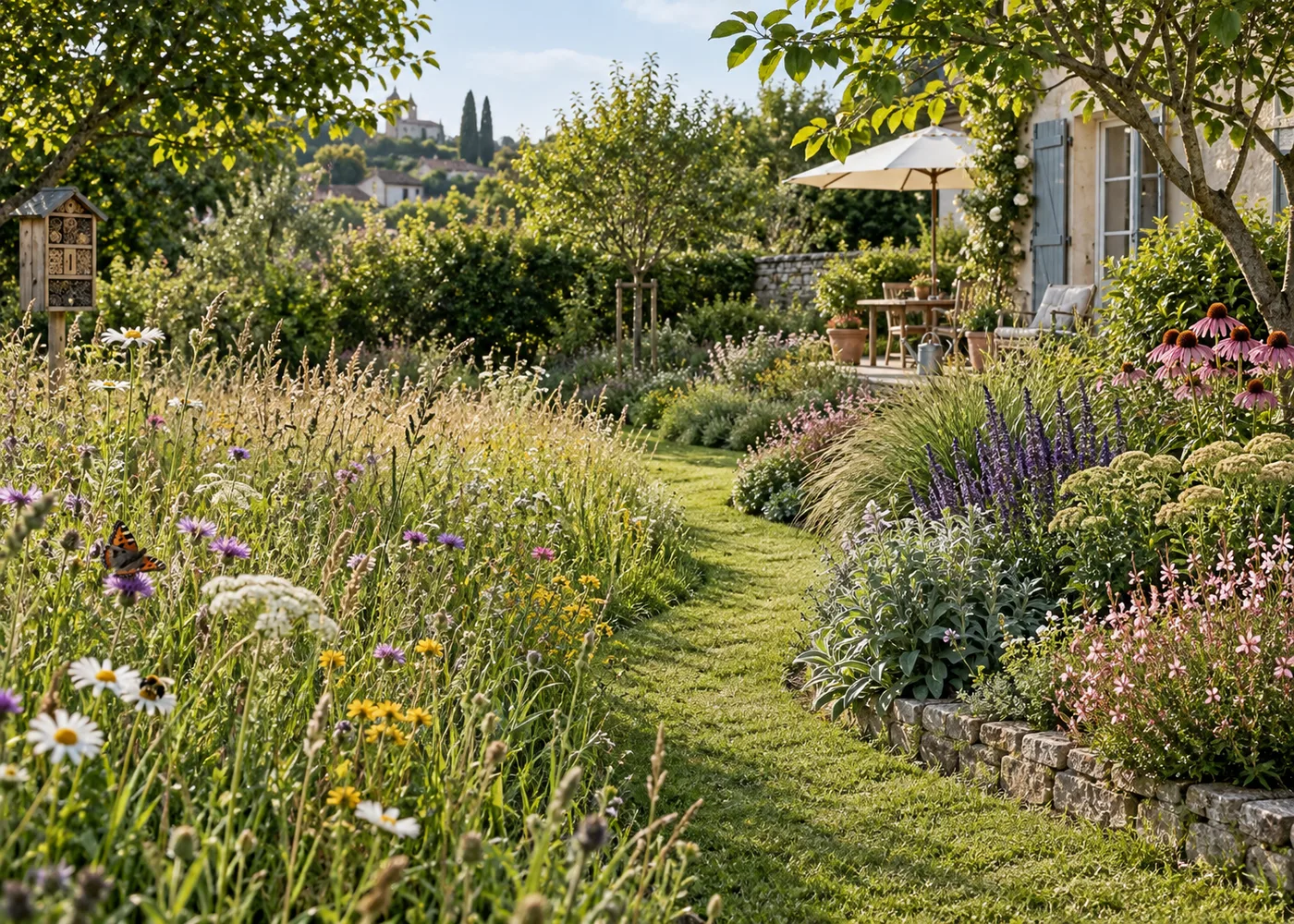
A field guide to replace part of a lawn: giving each zone a ground cover better suited to its use, followed by checks for the details that determine success.
Read the guide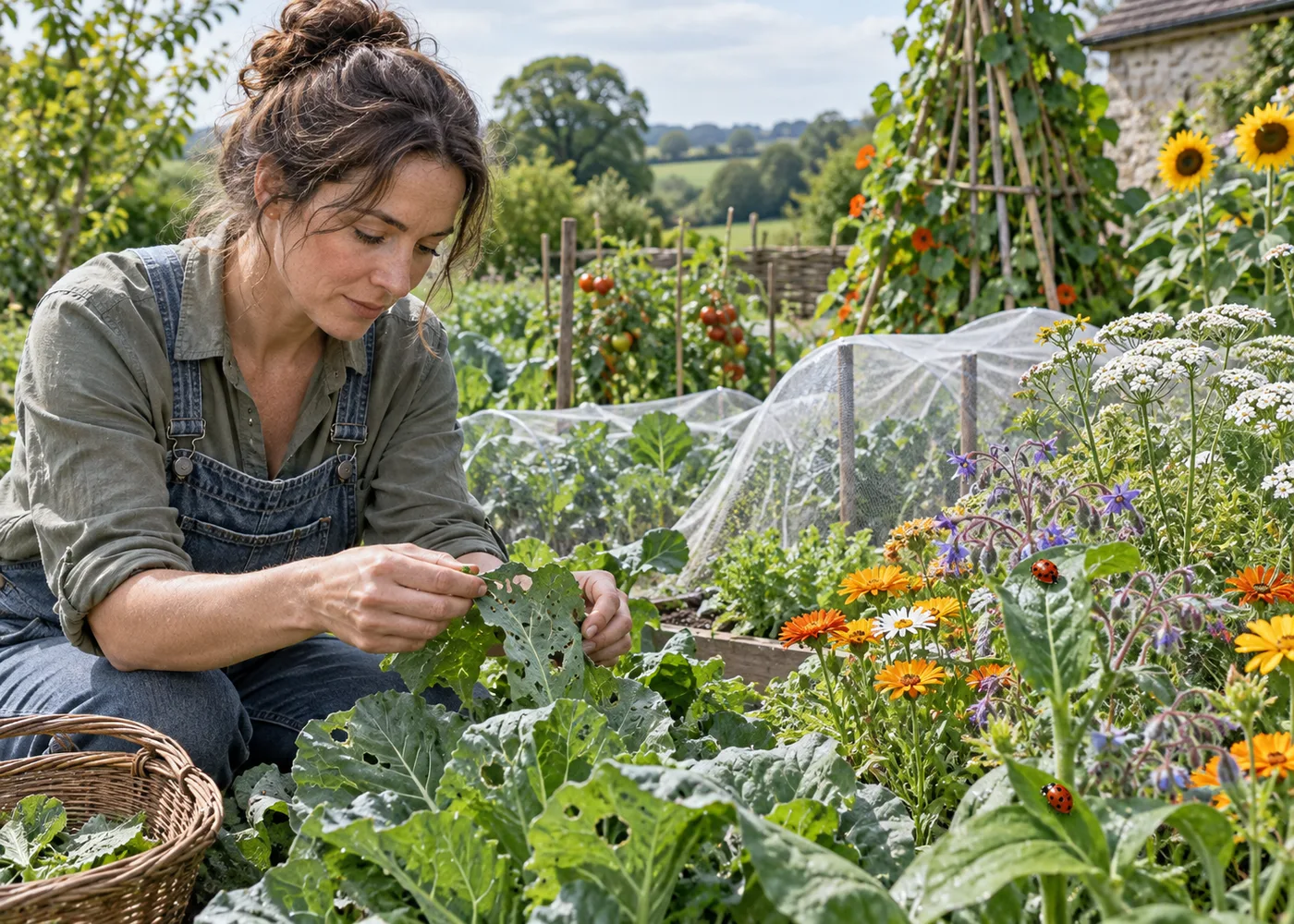
A field guide to garden without pesticides: preventing imbalance through diversity, observation and tolerance, followed by checks for the details that determine success.
Read the guide
A field guide to limit light pollution in the garden: lighting low, warm and only when necessary, followed by checks for the details that determine success.
Read the guide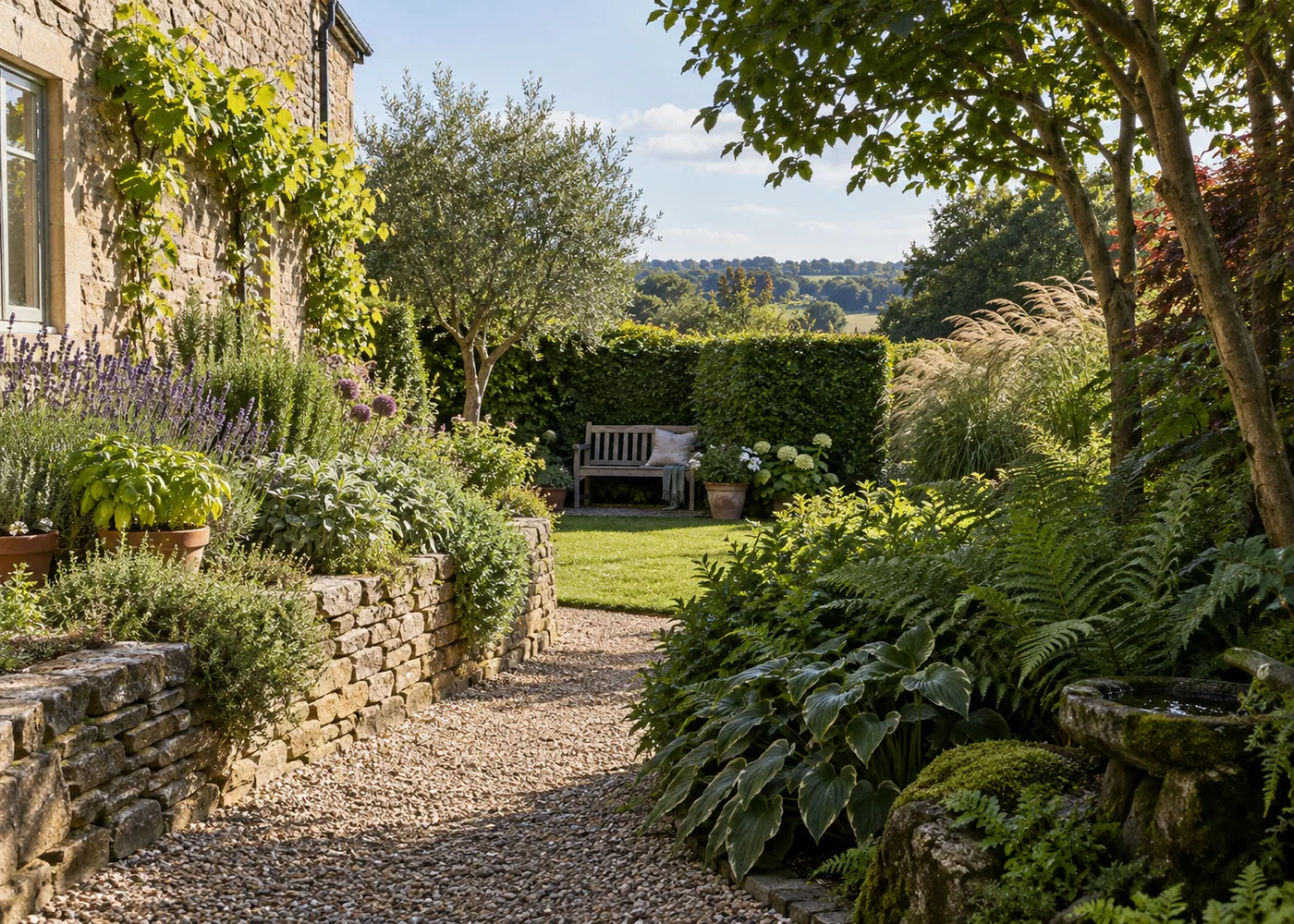
A field guide to create useful garden microclimates: using walls, hedges and landform to moderate wind, sun and cold, followed by checks for the details that determine success.
Read the guide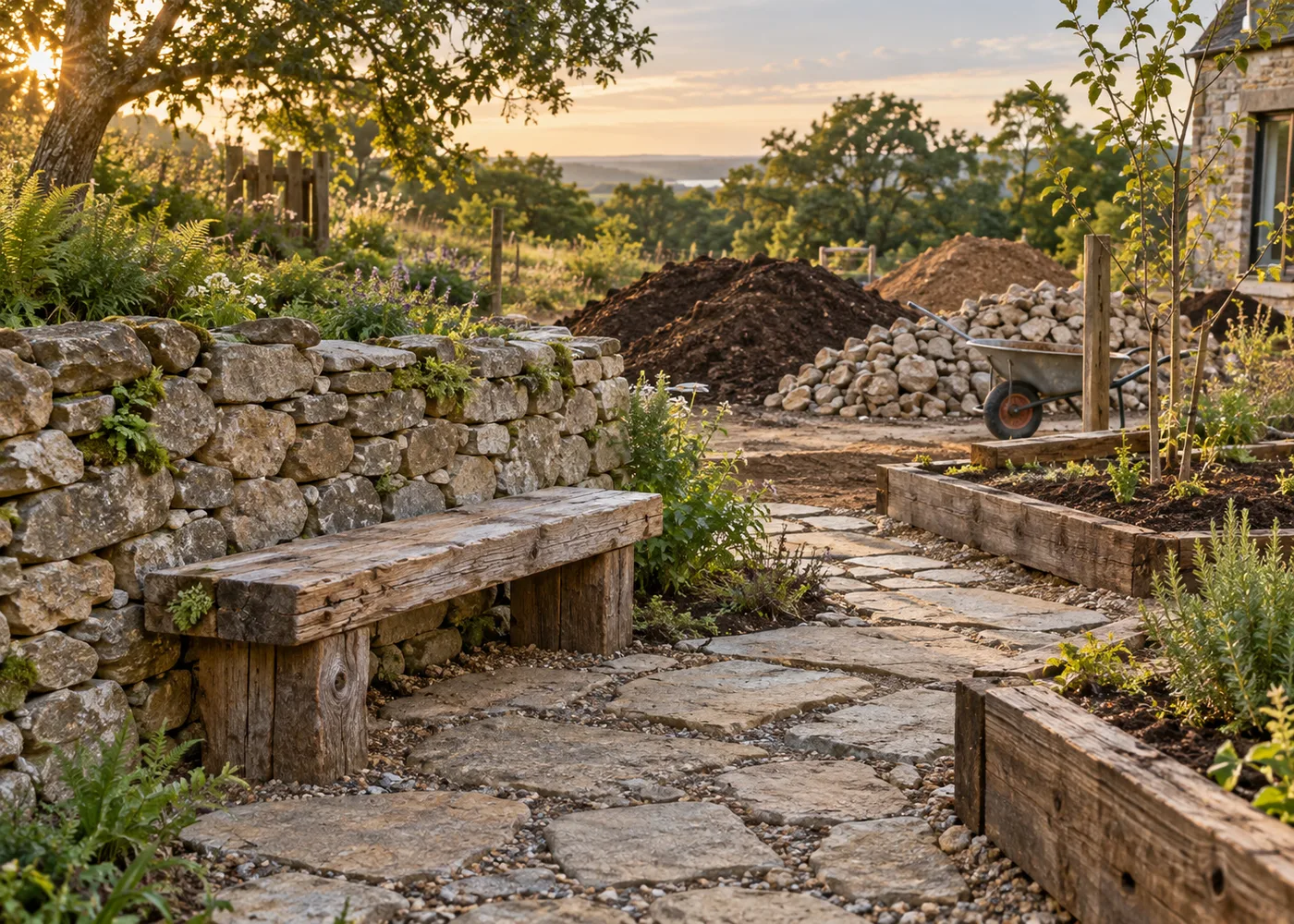
A field guide to reuse materials already on site: inventorying stone, soil and timber before ordering new materials, followed by checks for the details that determine success.
Read the guide