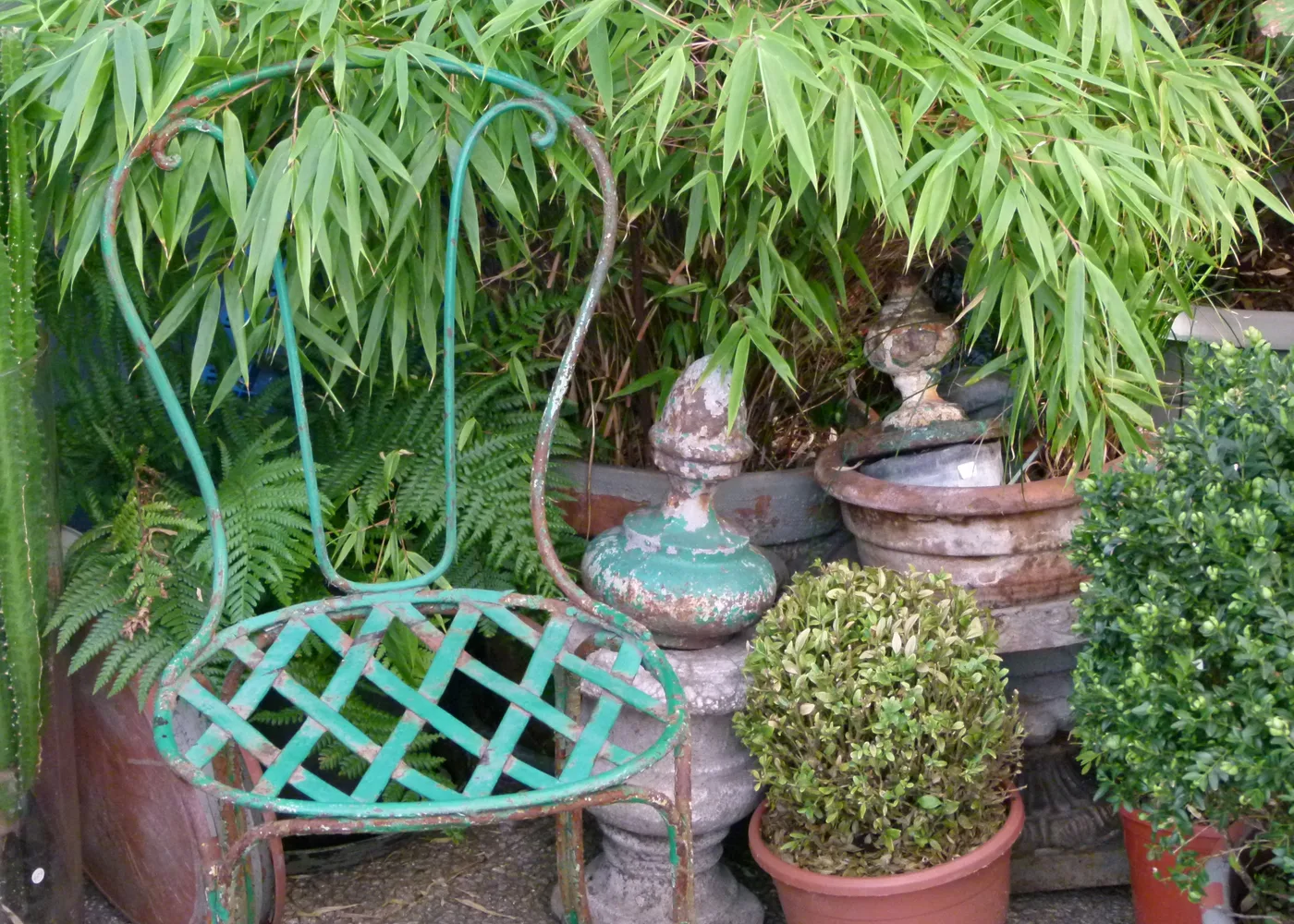
Small Gardens
Design a Small Garden Without Overcrowding It
A practical method for prioritising uses, opening views and choosing a planting palette that lets a compact space breathe.
Read the guide13 articles
Bring depth and purpose to compact plots.
A practical method for prioritising uses, opening views and choosing a planting palette that lets a compact space breathe.
Read the guide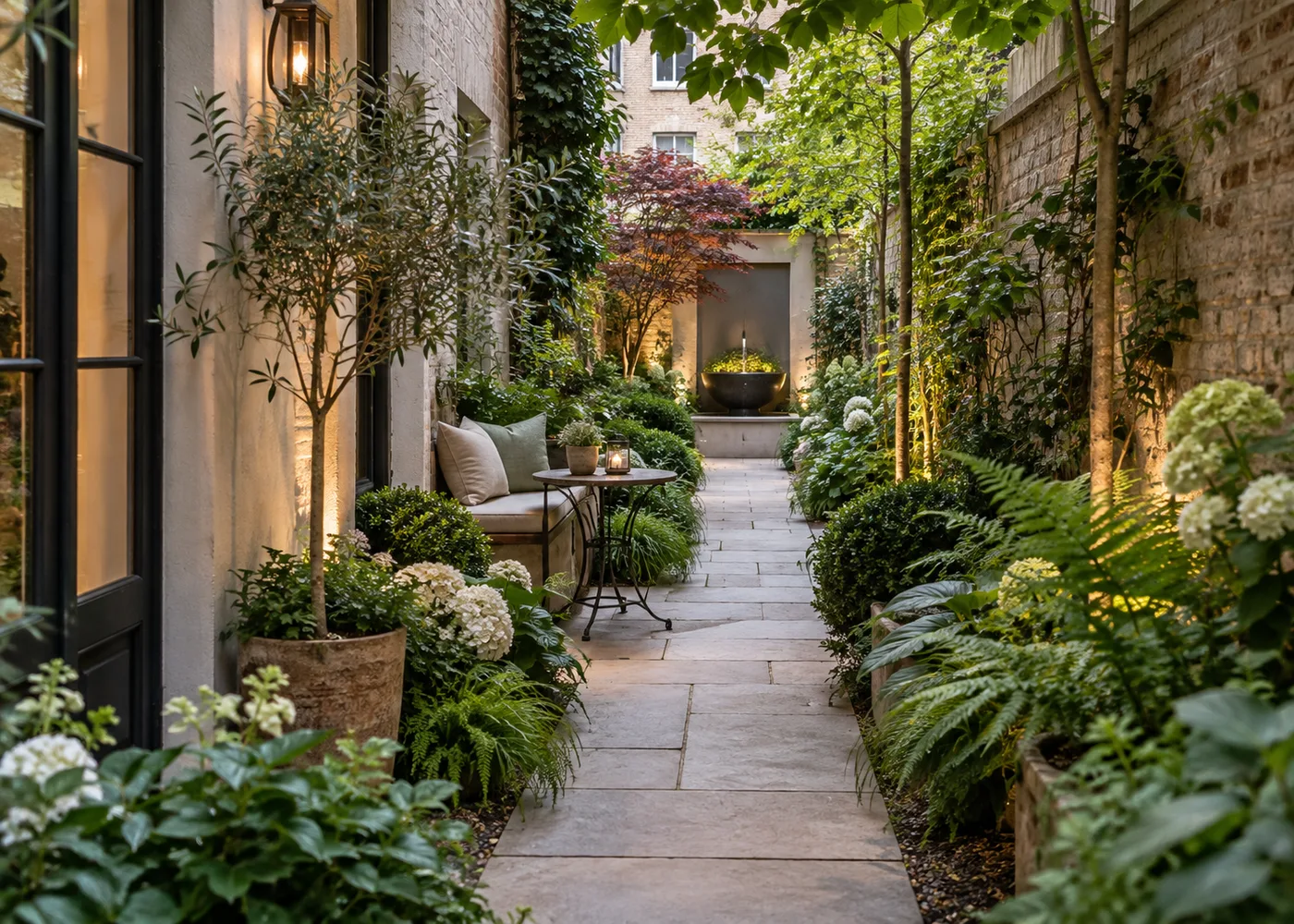
A field guide to design a narrow courtyard: working in sequences and keeping one comfortable route clear, followed by checks for the details that determine success.
Read the guide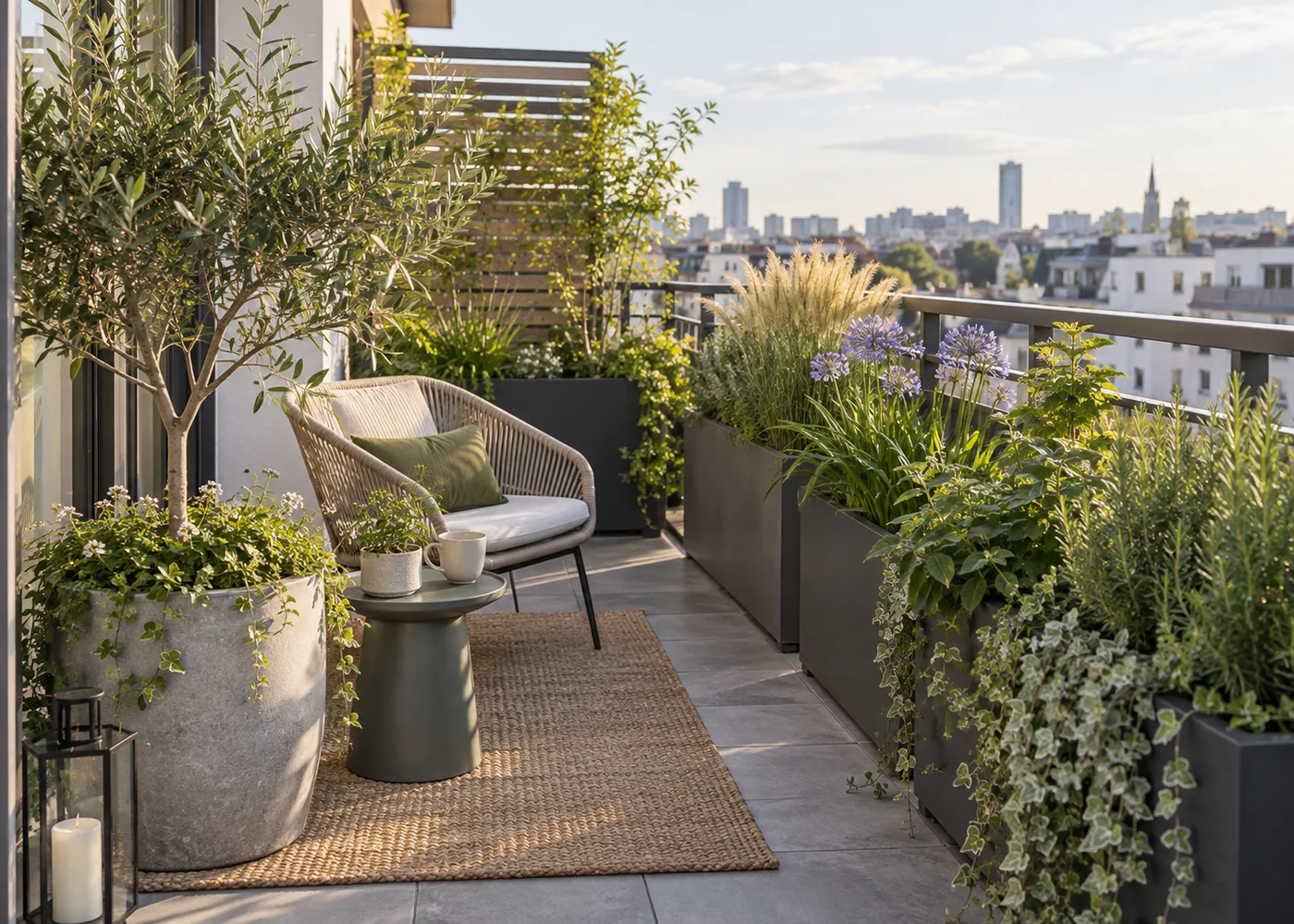
A field guide to plant a balcony without overloading it: checking weight, wind, watering and usable space before choosing containers, followed by checks for the details that determine success.
Read the guide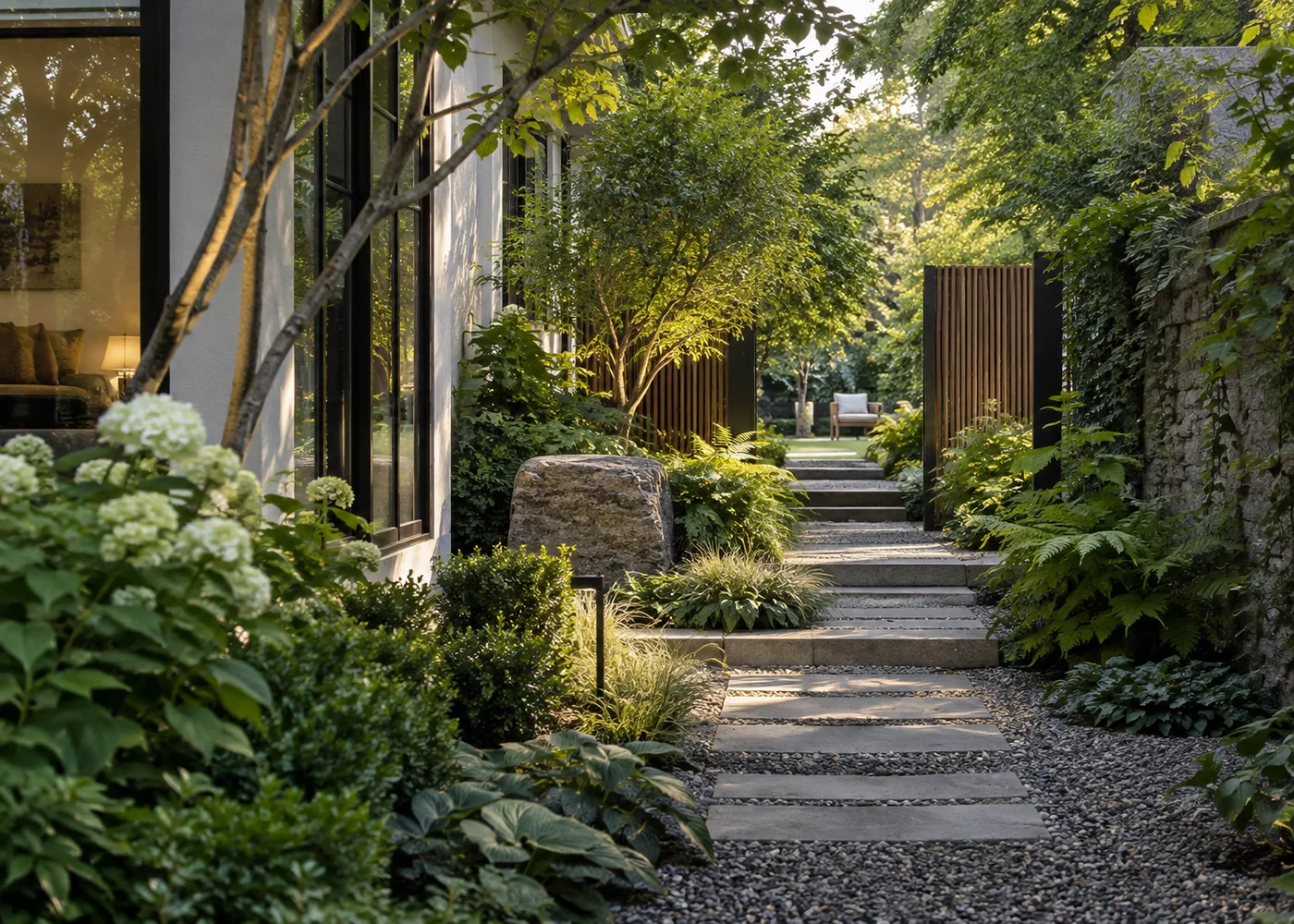
A field guide to add rhythm to a long narrow garden: breaking the direct view with offset thresholds and changing widths, followed by checks for the details that determine success.
Read the guide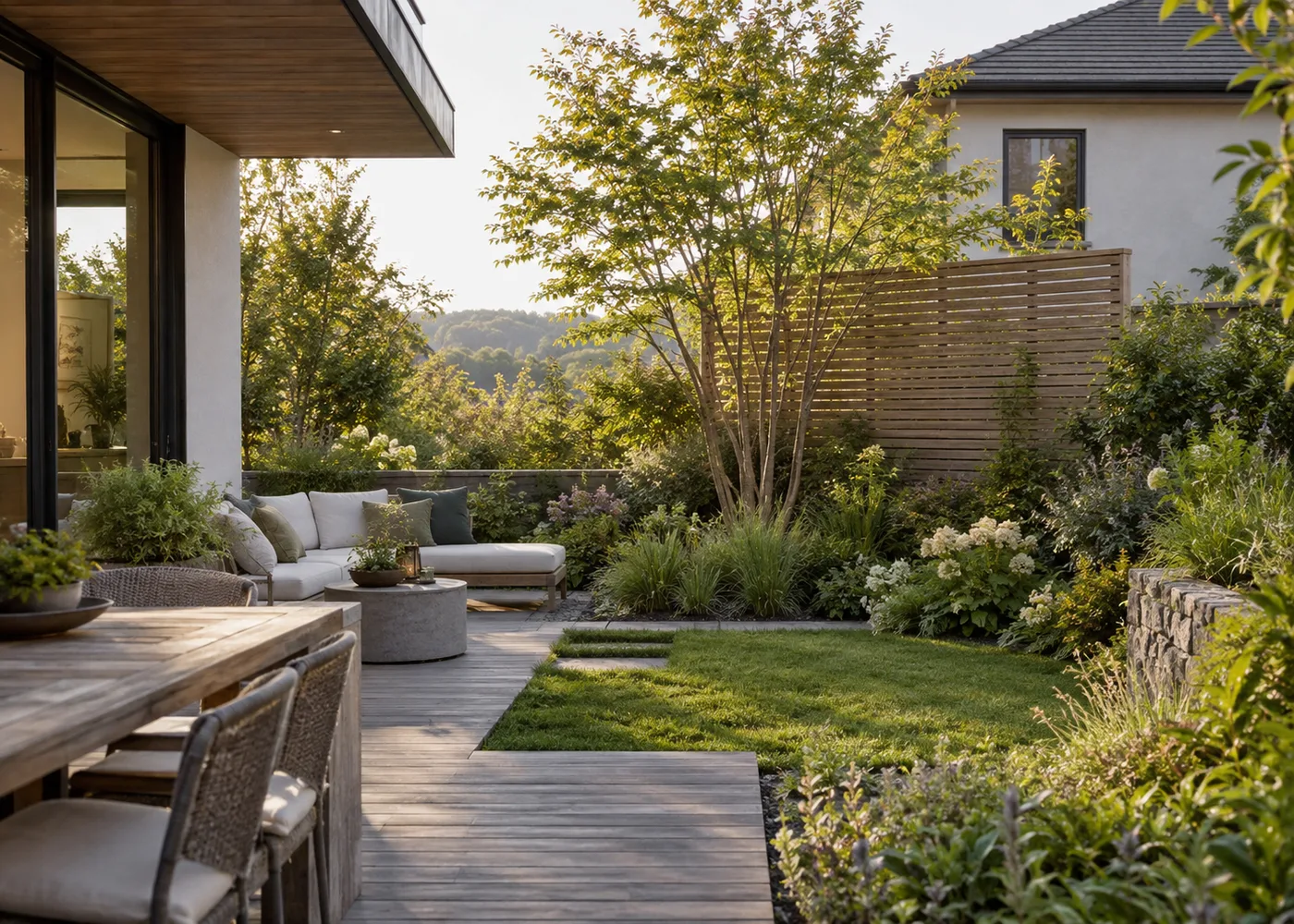
A field guide to screen an overlooked small garden: targeting intrusive windows rather than raising every boundary, followed by checks for the details that determine success.
Read the guide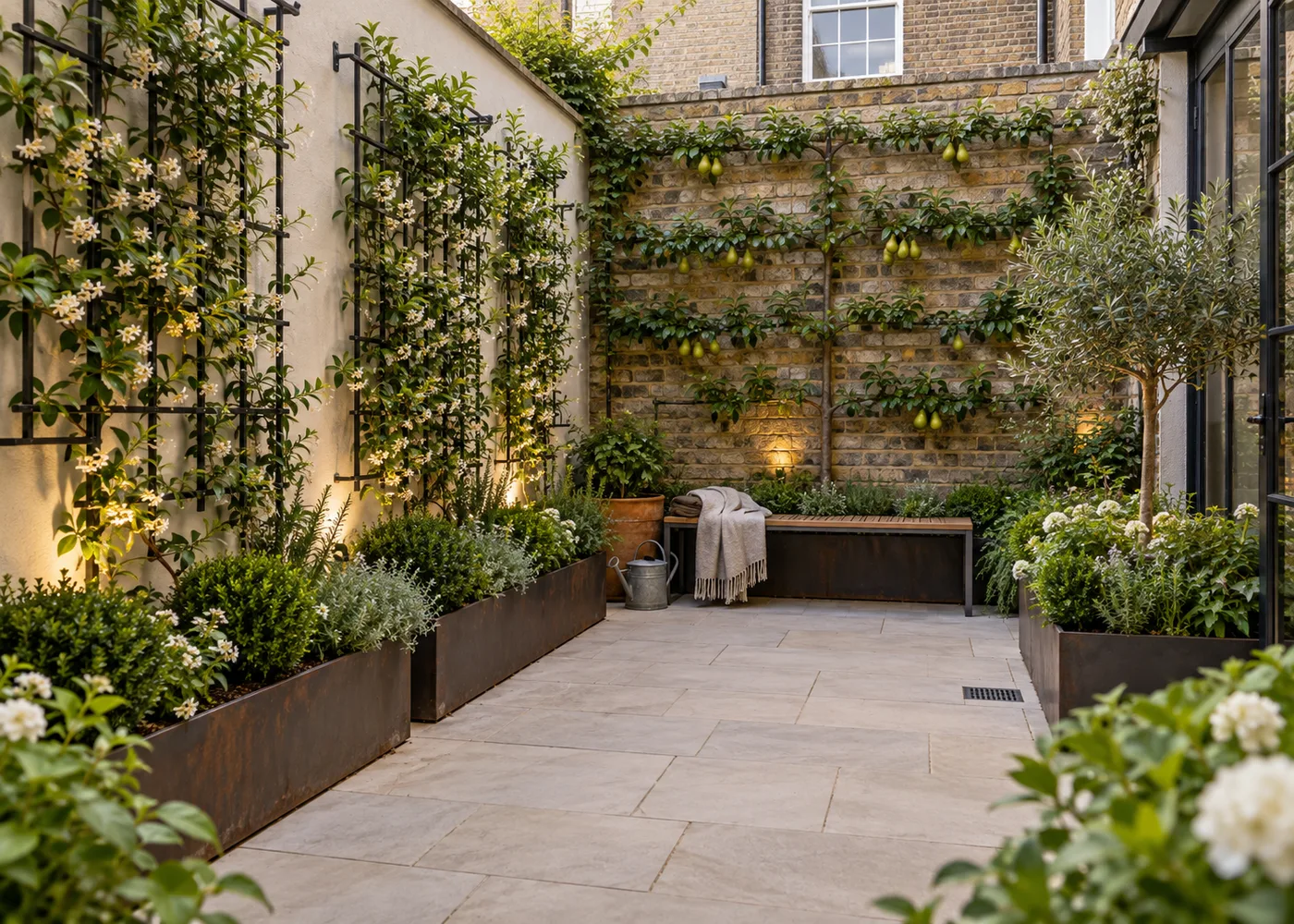
A field guide to use vertical space in a small garden: matching walls and trellises with plants suited to light and maintenance, followed by checks for the details that determine success.
Read the guide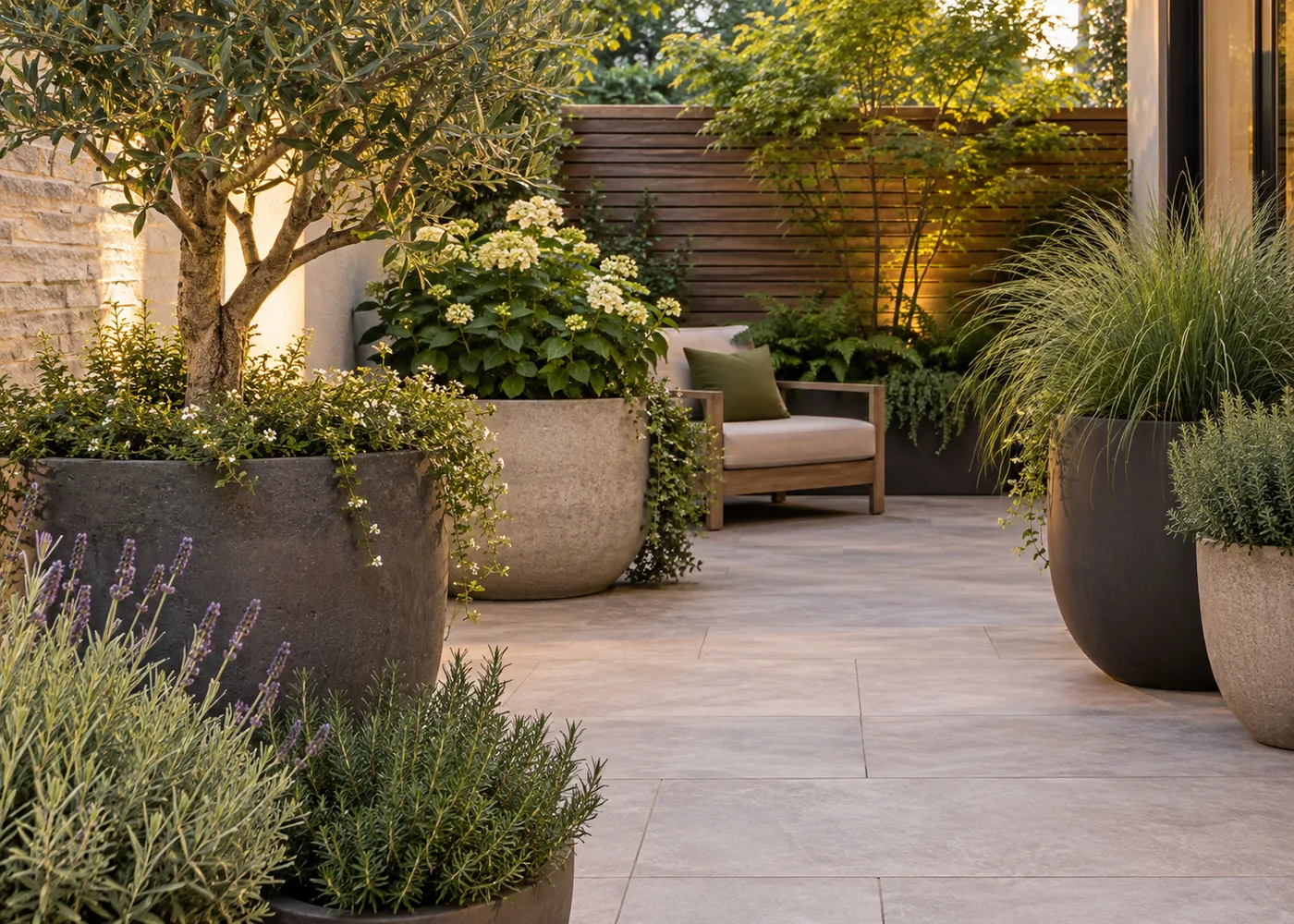
A field guide to choose containers for a small space: preferring a few stable large containers to many small pots, followed by checks for the details that determine success.
Read the guide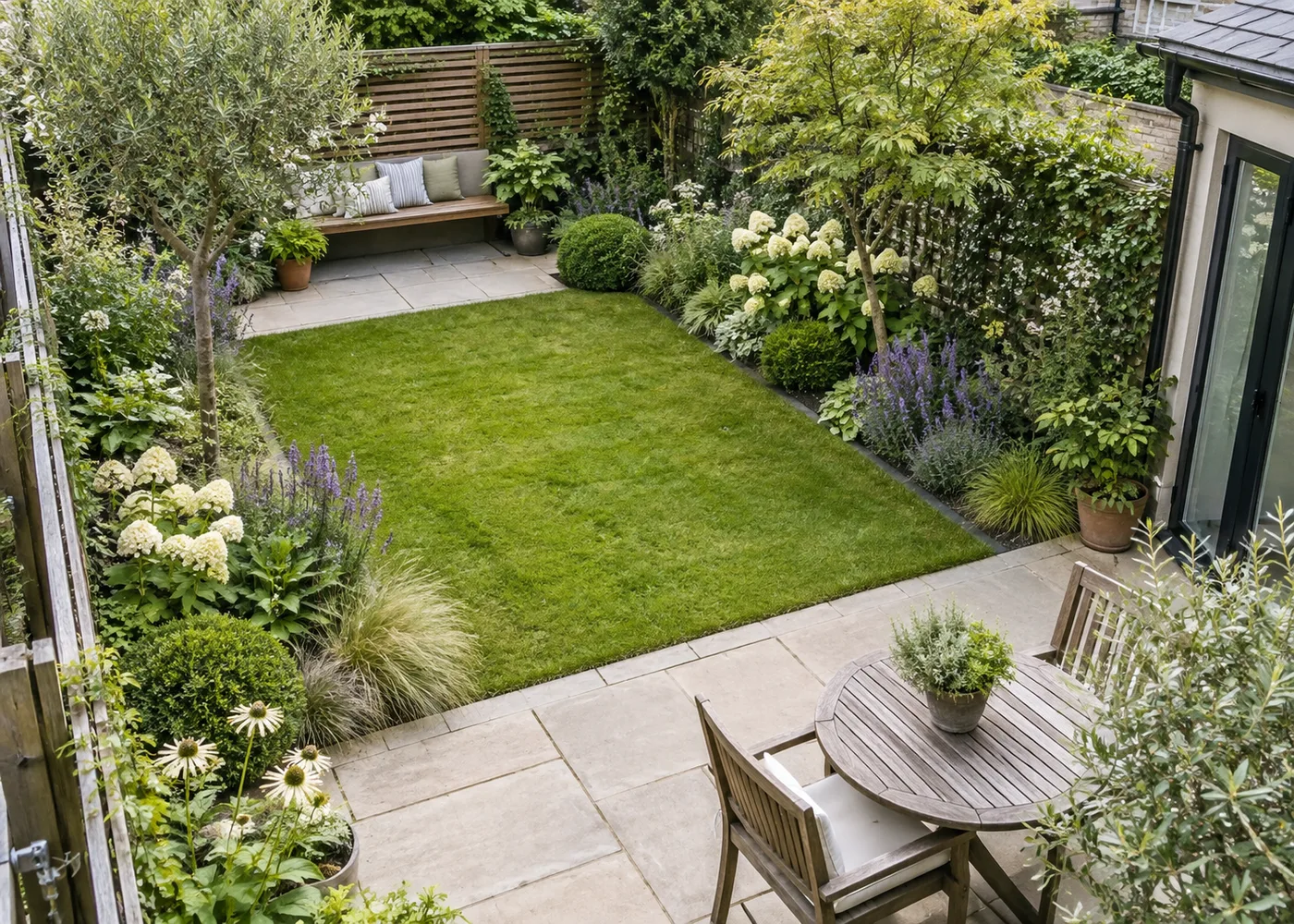
A field guide to keep or remove the lawn in a small garden: assessing real use, light and maintenance time, followed by checks for the details that determine success.
Read the guide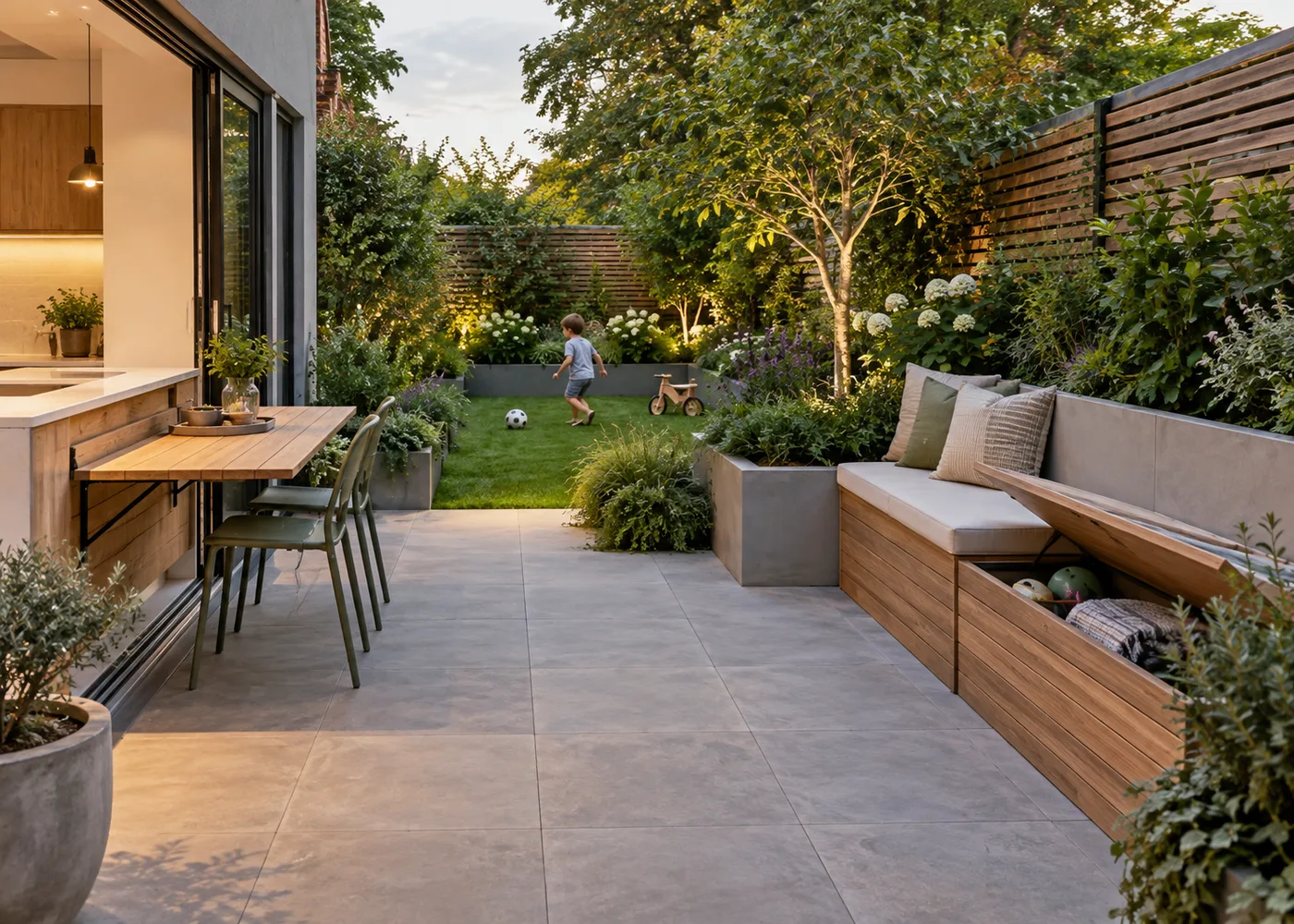
A field guide to combine uses in a compact garden: letting functions share edges and furniture, followed by checks for the details that determine success.
Read the guide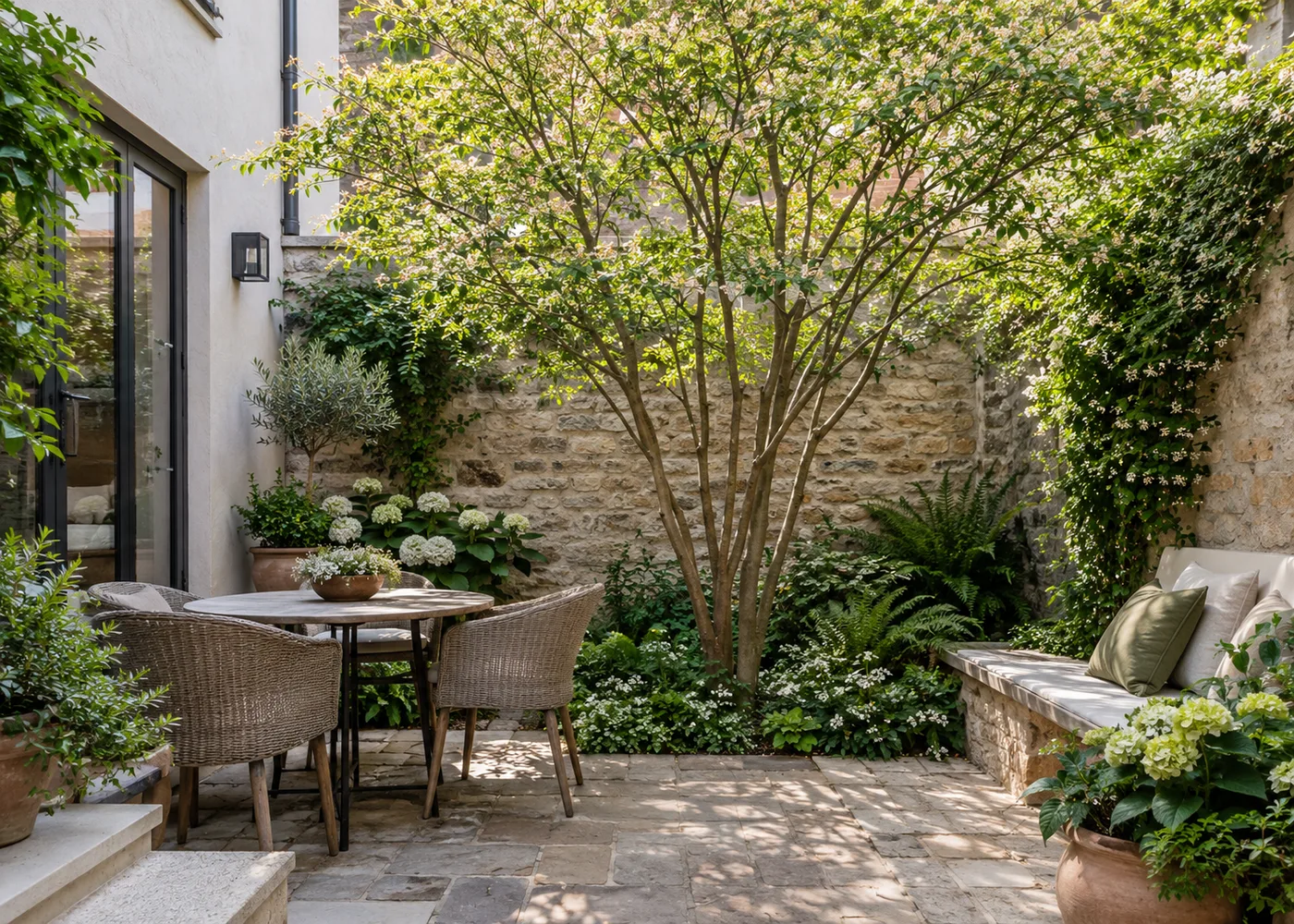
A field guide to choose a tree for a very small garden: prioritising a suitable crown, seasonal value and compatible roots, followed by checks for the details that determine success.
Read the guide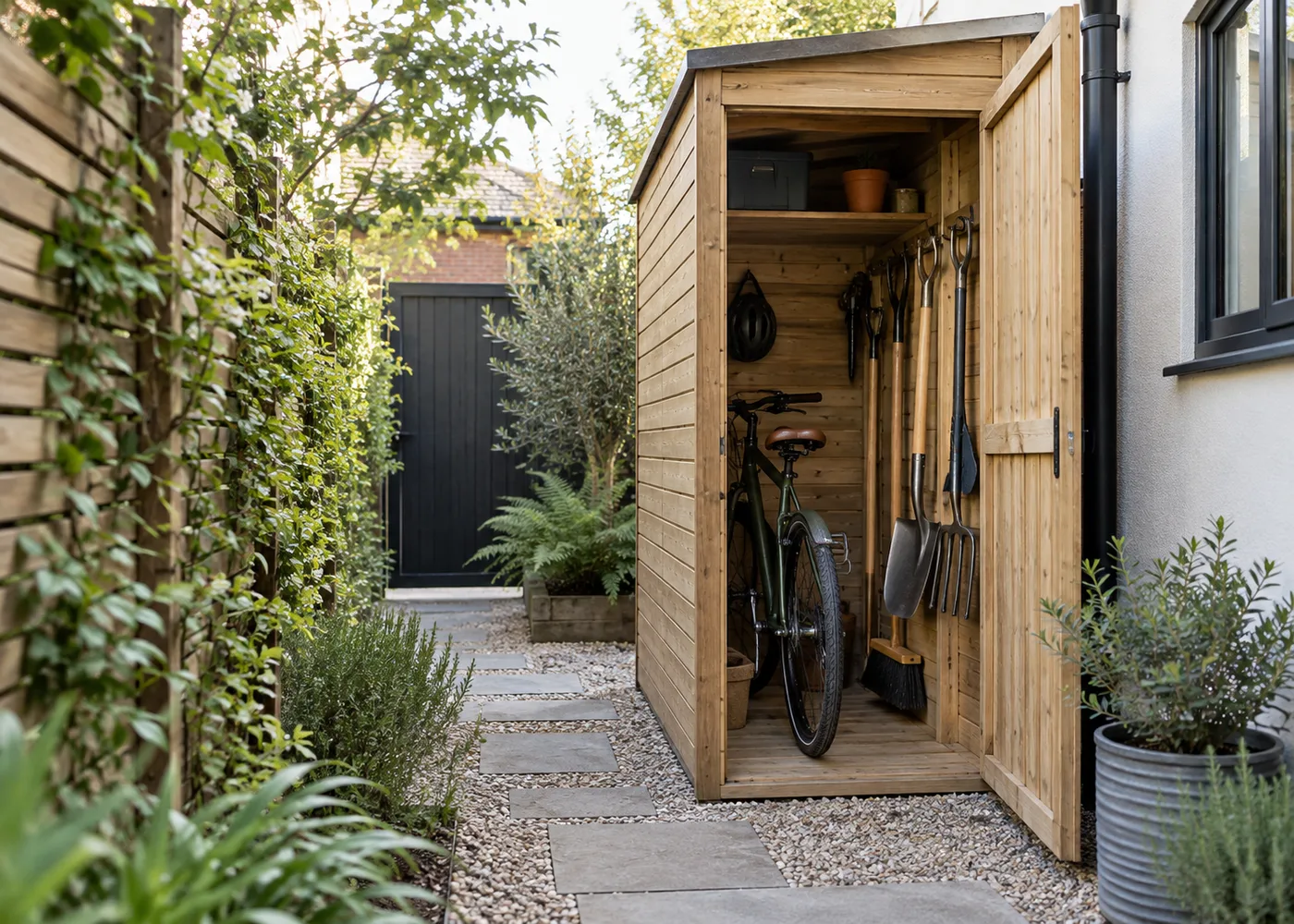
A field guide to store tools and bicycles in a small garden: using blind spots and accessible shallow storage, followed by checks for the details that determine success.
Read the guide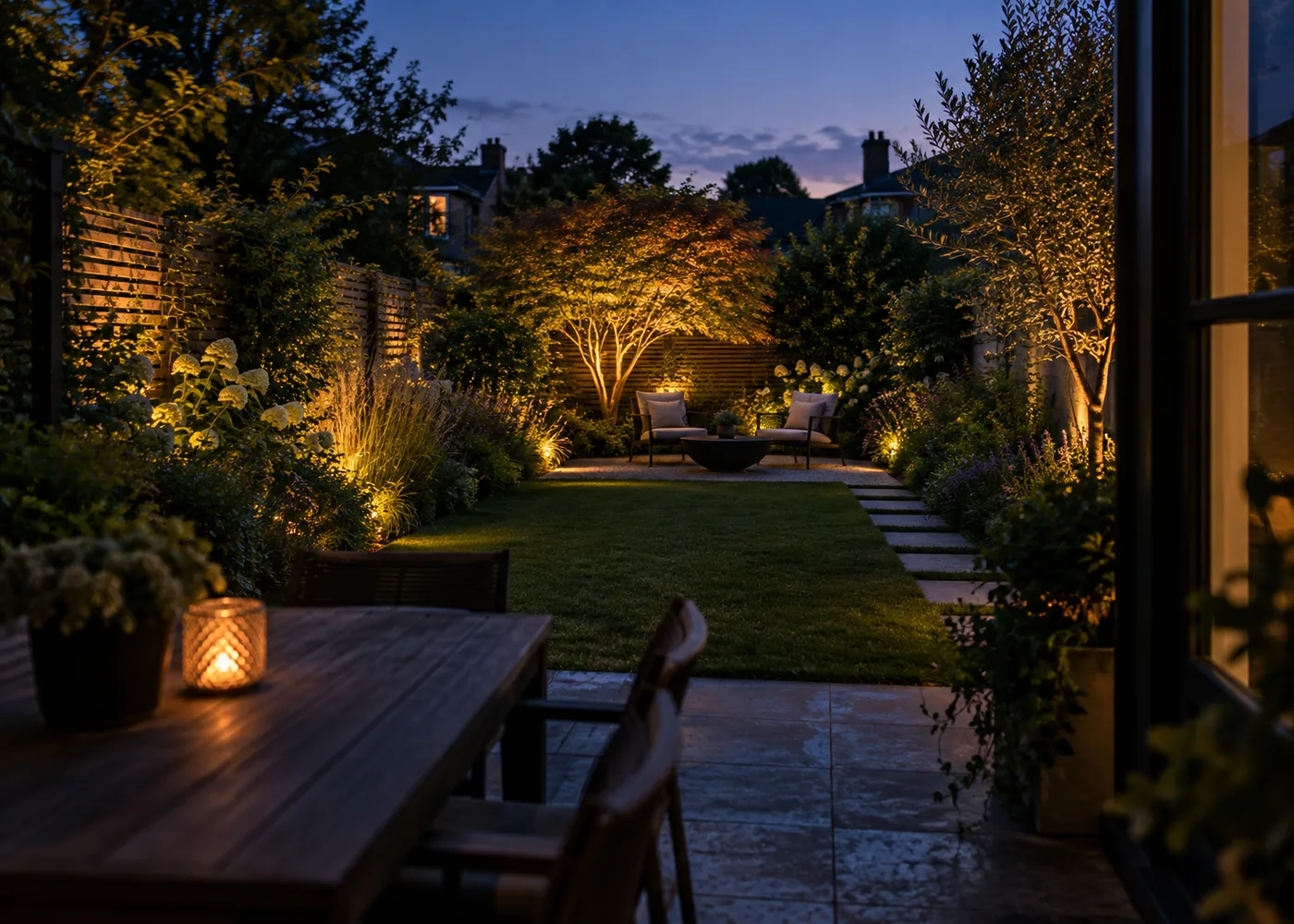
A field guide to light a small garden for depth: leaving dark areas and drawing the eye to a soft background, followed by checks for the details that determine success.
Read the guide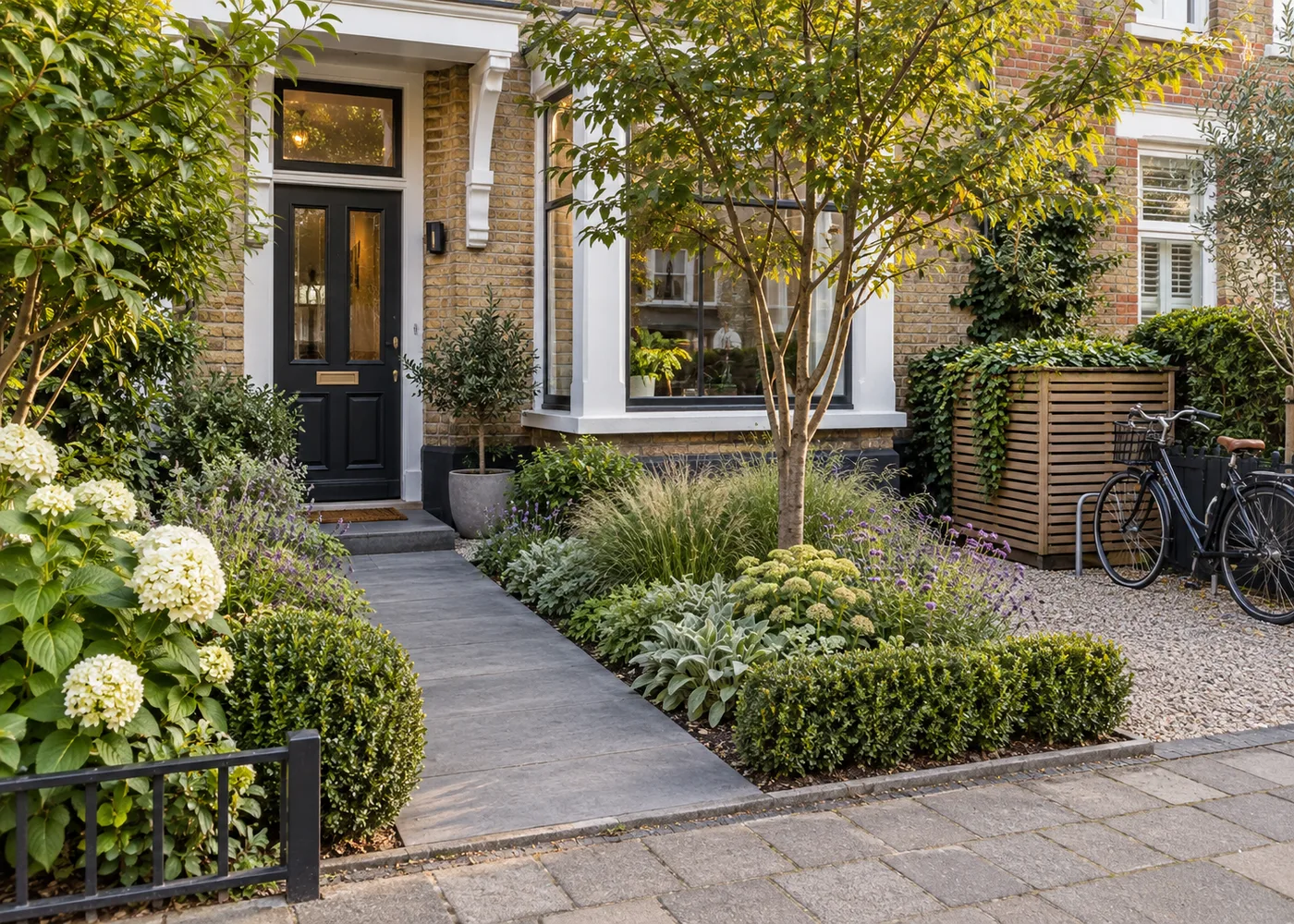
A field guide to design a small front garden: reconciling welcome, access, bins, bicycles and planting, followed by checks for the details that determine success.
Read the guide